
The Hidden Challenges People with Disabilities Face Every Day
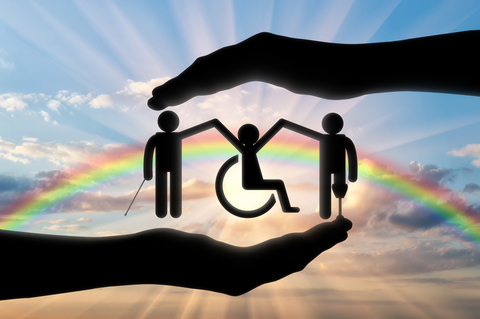
While society has made significant progress in accessibility and inclusion, people with disabilities still encounter numerous hidden challenges that often go unnoticed. These daily obstacles affect their physical mobility, mental health, social life, and overall quality of life. Understanding these challenges is crucial for creating a more inclusive, empathetic, and supportive society.
Understanding Disability Beyond the Surface
Disability is not always visible. Many individuals face hidden or invisible disabilities, such as chronic pain, mental health conditions, or cognitive impairments, which can be overlooked by society. According to the World Health Organization (WHO), over 1 billion people worldwide live with some form of disability. Recognizing the broad spectrum of disabilities is the first step in addressing the daily challenges faced by these individuals.
Types of Disabilities
- Physical Disabilities: Impairments affecting mobility, strength, or coordination.
- Sensory Disabilities: Vision or hearing impairments.
- Cognitive or Intellectual Disabilities: Learning, memory, or problem-solving difficulties.
- Mental Health Disabilities: Depression, anxiety disorders, or PTSD.
- Chronic Illnesses: Conditions like multiple sclerosis or fibromyalgia that impact daily functioning.
Each type of disability brings unique challenges that require understanding and tailored support.
Physical Barriers in Everyday Life
Physical accessibility remains a major challenge for people with disabilities. Despite advances in inclusive design, many public spaces, transportation systems, and workplaces are still difficult to navigate.
Inaccessible Infrastructure
Ramps, elevators, and wheelchair-accessible restrooms are not universally available. Even minor architectural barriers, like steps or narrow doorways, can limit independence and participation.
Transportation Challenges
Limited access to public transportation or specialized transit services can prevent people with disabilities from attending work, school, or social events. This lack of mobility directly impacts employment opportunities and social inclusion.
Social Stigma and Misconceptions
Beyond physical barriers, societal attitudes can pose daily challenges for people with disabilities. Misunderstanding, stereotypes, and discrimination create invisible obstacles that affect confidence and social interactions.
Workplace Discrimination
Despite laws protecting the rights of individuals with disabilities, workplace discrimination persists. Many face challenges in hiring, career advancement, and reasonable accommodations, reducing economic independence.
Social Isolation
Negative perceptions and lack of awareness often result in social exclusion. People with disabilities may struggle to participate in community activities, leading to loneliness and mental health challenges.
Mental Health Challenges
Mental health is a critical yet often overlooked aspect of disability. People with disabilities are at higher risk for depression, anxiety, and stress due to social exclusion, stigma, and physical limitations.
Emotional Impact of Disability
Daily obstacles—like inaccessible public spaces, employment barriers, and societal attitudes—can cause chronic stress and impact self-esteem.
Need for Support Systems
Counseling, peer support groups, and community programs are essential for mental well-being. Accessible mental health services tailored to the unique experiences of people with disabilities can make a significant difference.
Financial and Employment Barriers
Economic challenges are among the most significant daily hurdles for people with disabilities. Limited employment opportunities, workplace discrimination, and additional costs associated with accessibility or healthcare create financial strain.
Employment Gaps
Many individuals with disabilities face difficulty finding jobs that match their skills. Even when employed, they may encounter barriers to promotions, equal pay, and accommodations.
Hidden Costs
Accessibility aids, medications, and healthcare services can be expensive. Without adequate support, these costs create additional stress and limit opportunities for independence.
Education and Learning Challenges
Access to inclusive education remains a challenge in many parts of the world. Students with disabilities often require specialized learning tools, adaptive technologies, and individualized support to succeed.
Barriers in Schools and Universities
- Inaccessible classrooms and study materials
- Lack of trained staff to support students with disabilities
- Limited adaptive technologies for learning
These barriers can impact academic achievement, future career opportunities, and personal development.
Digital Accessibility Issues
In today’s digital age, online accessibility is crucial. Websites, apps, and online services that are not designed for people with disabilities create additional daily challenges.
Common Digital Barriers
- Websites not compatible with screen readers
- Poorly designed forms and navigation for cognitive disabilities
- Lack of captions or audio descriptions for multimedia content
Ensuring digital accessibility is not just a convenience—it is essential for equal participation in education, work, and social life.
Caregiver and Family Challenges
People with disabilities often rely on family members or caregivers for support, which introduces additional layers of complexity.
Caregiver Stress
Caregivers may face emotional, financial, and physical strain, impacting both their lives and the quality of support they provide.
Dependency Challenges
While assistance is often necessary, over-dependence can affect self-esteem and independence for the person with a disability. Striking a balance between support and autonomy is crucial.
Strategies to Overcome Hidden Challenges
Addressing the hidden challenges faced by people with disabilities requires a multifaceted approach:
- Improve Accessibility: Invest in inclusive infrastructure, public transport, and digital accessibility.
- Promote Awareness and Inclusion: Combat stigma through education, media representation, and community initiatives.
- Support Mental Health: Provide accessible counseling, peer support, and stress management programs.
- Enhance Employment Opportunities: Encourage inclusive hiring practices, workplace accommodations, and vocational training.
- Strengthen Education Access: Implement inclusive education programs and provide adaptive learning tools.
- Support Caregivers: Offer resources, training, and respite care for family members and caregivers.
Conclusion
The hidden challenges people with disabilities face every day go far beyond what is immediately visible. Physical barriers, social stigma, mental health struggles, financial pressures, and accessibility issues all impact daily life. By recognizing these obstacles and actively working to address them, society can foster greater inclusion, equality, and empowerment for individuals with disabilities.
Disability is not a limitation—it is a call for understanding, action, and inclusive design. By supporting people with disabilities in all areas of life, we create a stronger, more compassionate society where everyone has the opportunity to thrive.