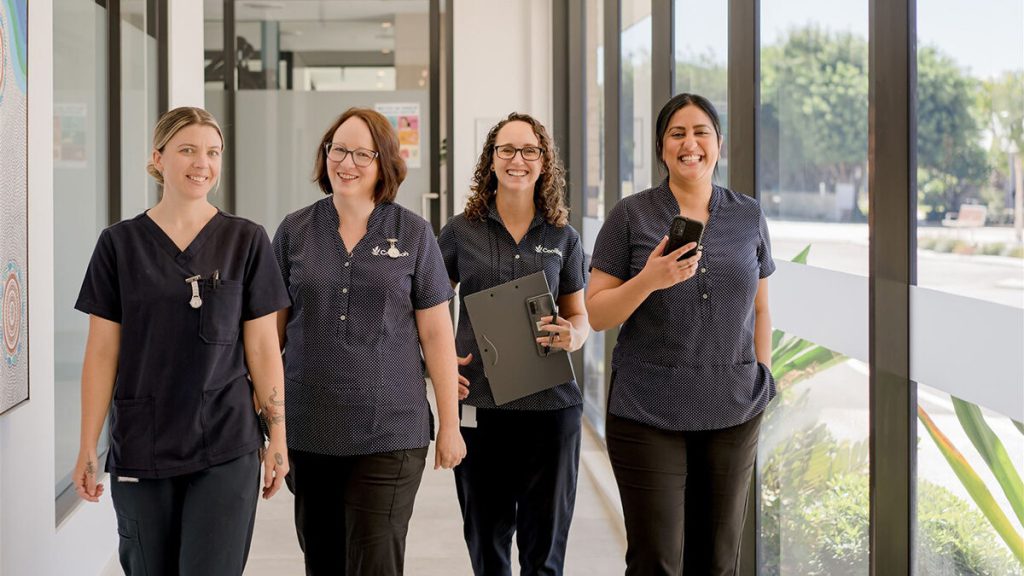


The Role of Registered Nurses in Home Healthcare
Home healthcare has become a vital part of modern medical services, offering patients professional care in the comfort of their own homes. As demand for personalized, patient-centered care grows, registered nurses in home healthcare play a crucial role in delivering safe, effective, and compassionate medical support.
Registered nurses (RNs) are the backbone of home healthcare services. They provide skilled clinical care, coordinate treatment plans, and support patients and families throughout recovery and long-term health management. This article explores the essential role of registered nurses in home healthcare and why their expertise is critical to positive patient outcomes.
What Is Home Healthcare?
Home healthcare refers to medical and therapeutic services provided in a patient’s home by licensed healthcare professionals. These services are designed for individuals who need medical attention but do not require full-time hospitalization or residential care.
Home healthcare services often include skilled nursing, rehabilitation therapy, chronic disease management, post-surgical care, and palliative support. Registered nurses are central to these services, ensuring care is delivered safely and effectively.
Who Are Registered Nurses in Home Healthcare?
Registered nurses are licensed healthcare professionals who have completed formal nursing education and passed national licensing examinations. In home healthcare settings, RNs bring hospital-level expertise directly into patients’ homes.
Unlike nurses working in clinical facilities, home healthcare nurses operate independently while collaborating closely with physicians, therapists, and family caregivers. Their ability to assess, plan, and implement care makes them indispensable in home-based medical services.
Key Responsibilities of Registered Nurses in Home Healthcare
Registered nurses perform a wide range of clinical and supportive duties in home healthcare.
Comprehensive Patient Assessments
RNs conduct thorough health assessments during home visits, evaluating:
- Vital signs and physical condition
- Medical history and current symptoms
- Medication effectiveness and side effects
- Home safety and mobility risks
These assessments guide personalized care planning and help identify potential complications early.
Care Planning and Coordination
Registered nurses develop and manage individualized care plans tailored to each patient’s medical needs and recovery goals.
- Collaborating with physicians and specialists
- Coordinating therapy and support services
- Adjusting care plans as conditions change
Effective care coordination ensures continuity and consistency across all healthcare providers.
Medication Management and Administration
Medication errors can significantly impact patient health. Home healthcare RNs ensure medications are:
- Administered correctly and on schedule
- Properly stored and documented
- Adjusted based on patient response
They also educate patients and families on medication safety, reducing risks and improving outcomes.
Skilled Nursing Procedures at Home
Registered nurses perform advanced medical procedures that require clinical expertise, including:
- Wound care and infection prevention
- IV therapy and injections
- Catheter and ostomy care
- Post-surgical monitoring
These services allow patients to receive hospital-level care without leaving home.
Supporting Recovery and Rehabilitation
RNs play a vital role in patient recovery and rehabilitation.
Post-Hospital and Post-Surgical Care
After hospital discharge, patients often need continued medical support. Registered nurses monitor recovery progress, manage pain, and watch for complications that could lead to readmission.
Preventing Complications
Through regular monitoring and early intervention, RNs reduce the risk of infections, falls, and other setbacks that delay healing.
Managing Chronic Conditions at Home
Patients with chronic illnesses benefit greatly from home healthcare nursing.
Ongoing Health Monitoring
Registered nurses help manage conditions such as diabetes, heart disease, respiratory disorders, and neurological conditions by monitoring symptoms and vital signs.
Patient and Family Education
Education is a key component of chronic disease management. RNs teach patients and caregivers how to manage symptoms, use medical equipment, and recognize warning signs.
Emotional Support and Patient Advocacy
Beyond clinical care, registered nurses provide emotional and psychological support.
Building Trusting Relationships
Home healthcare nurses form close relationships with patients, offering reassurance, empathy, and encouragement during difficult times.
Advocating for Patient Needs
RNs act as patient advocates, ensuring concerns are addressed and care decisions align with patient preferences and medical needs.
Improving Patient Safety at Home
Safety is a critical concern in home healthcare.
Home Environment Assessments
Registered nurses assess the home for safety risks such as fall hazards, improper equipment use, or medication storage issues.
Risk Prevention
By implementing safety strategies and educating families, RNs help prevent injuries and medical emergencies.
Benefits of Registered Nurses in Home Healthcare
The involvement of registered nurses in home healthcare offers numerous benefits:
- Higher quality, skilled medical care
- Reduced hospital readmissions
- Personalized, patient-centered treatment
- Improved recovery and long-term health outcomes
- Enhanced comfort and independence
Their expertise bridges the gap between hospital care and daily living.
Registered Nurses vs. Other Home Care Providers
It’s important to understand the difference between registered nurses and non-medical caregivers.
| Registered Nurses | Non-Medical Caregivers |
|---|---|
| Provide medical care | Provide personal support |
| Perform clinical procedures | Assist with daily tasks |
| Manage medications | Offer companionship |
| Coordinate healthcare plans | Support daily living |
Both roles are valuable, but RNs are essential when medical care is required.
The Growing Demand for Registered Nurses in Home Healthcare
As healthcare shifts toward patient-centered and cost-effective models, the demand for registered nurses in home healthcare continues to grow.
Factors driving this trend include:
- Aging populations
- Increased chronic disease prevalence
- Shorter hospital stays
- Preference for home-based care
Registered nurses are at the forefront of this healthcare transformation.
Final Thoughts
The role of registered nurses in home healthcare is essential to delivering safe, effective, and compassionate medical care outside traditional clinical settings. Their clinical expertise, care coordination skills, and patient advocacy significantly improve recovery, independence, and quality of life.
For families seeking professional medical care at home, registered nurses provide the knowledge, reassurance, and skilled support needed to navigate recovery and long-term health with confidence.