

How NDIS In-Home Supports Can Reduce Carer Burnout
Caring for a loved one with disability is meaningful and rewarding — but it can also be physically exhausting and emotionally overwhelming. Across Australia, thousands of informal carers provide daily assistance with personal care, mobility, household tasks, and emotional support. Without adequate help, this ongoing responsibility can lead to carer burnout.
Fortunately, NDIS in-home supports funded through the National Disability Insurance Scheme (NDIS) are designed to ease that pressure. By providing practical assistance inside the home, the NDIS helps carers maintain their wellbeing while ensuring participants receive high-quality care.
In this article, we explore how NDIS in-home supports reduce carer burnout, what services are available, and how families can access the right assistance.
What Is Carer Burnout?
Carer burnout is a state of physical, emotional, and mental exhaustion caused by prolonged caregiving. It often develops gradually and can impact a carer’s health, relationships, employment, and overall quality of life.
Common Signs of Carer Burnout
- Chronic fatigue or sleep issues
- Increased stress or anxiety
- Feelings of resentment or guilt
- Social withdrawal
- Declining physical health
- Difficulty concentrating
Many carers feel they must “do it all,” especially when supporting a family member at home. Without structured support, the risk of burnout increases significantly.
Understanding NDIS In-Home Supports
NDIS in-home supports are services delivered within a participant’s home to help with daily living and personal independence. These supports fall under several funding categories within the NDIS plan, particularly Core Supports and Capacity Building Supports.
Examples of NDIS In-Home Supports
- Personal care (showering, dressing, grooming)
- Assistance with mobility and transfers
- Meal preparation and feeding support
- Household tasks (cleaning, laundry, shopping)
- Medication reminders
- Skill development for independent living
- Overnight or respite-style support
These services are delivered by trained support workers and tailored to the participant’s individual goals and needs.
How NDIS In-Home Supports Reduce Carer Burnout
NDIS in-home support services directly address the most common stress points carers experience. Below are the key ways they make a meaningful difference.
1. Sharing the Physical Workload
Providing daily personal care can be physically demanding, especially when supporting someone with mobility challenges. Tasks such as lifting, transferring, bathing, and repositioning can lead to musculoskeletal strain and injury.
By engaging NDIS-funded support workers to assist with these activities, carers reduce physical stress and lower the risk of injury. Even a few hours of professional support each week can significantly decrease fatigue.
2. Creating Time for Rest and Self-Care
Many carers struggle to take breaks. Over time, the lack of personal time contributes to emotional exhaustion.
NDIS in-home supports create structured time away from caregiving duties. Whether it’s a few hours during the day or overnight support, carers can:
- Attend medical appointments
- Maintain employment
- Socialise with friends
- Exercise
- Rest and recharge
Regular breaks are not a luxury — they are essential for sustainable caregiving.
3. Reducing Emotional Stress
Caring for a loved one often comes with emotional complexity. Carers may worry constantly about safety, health changes, or whether they are “doing enough.”
Professional support workers provide reassurance. Knowing a trained and experienced person is assisting with care reduces anxiety and improves peace of mind.
Additionally, having another person involved can improve communication and provide fresh strategies for managing daily challenges.
4. Encouraging Participant Independence
One major contributor to burnout is feeling solely responsible for every aspect of a loved one’s life. NDIS in-home supports are designed to promote independence rather than dependency.
Support workers can help participants:
- Develop daily living skills
- Build confidence with personal care
- Learn household management skills
- Increase community participation
When participants gain independence, carers experience reduced pressure and greater balance in the relationship.
5. Preventing Social Isolation
Full-time caregiving can lead to social withdrawal. Carers often cancel plans or stop engaging in hobbies due to their responsibilities.
With NDIS-funded in-home support, carers can maintain social connections. Staying socially engaged improves mental health, lowers stress levels, and strengthens resilience against burnout.
6. Supporting Long-Term Sustainability
Burnout does not just affect carers — it can impact the quality of care participants receive. When carers are exhausted, mistakes are more likely, and patience may decline.
NDIS in-home support creates a sustainable care model. Shared responsibility ensures both the participant and the carer thrive over the long term.
Types of NDIS Funding That Help Carers
Understanding how funding works is key to accessing the right services.
Core Supports – Assistance with Daily Life
This funding covers practical in-home help such as personal care and household tasks. It is flexible and can often be adjusted based on changing needs.
Capacity Building Supports
These supports focus on skill development and independence, which indirectly reduces carer workload over time.
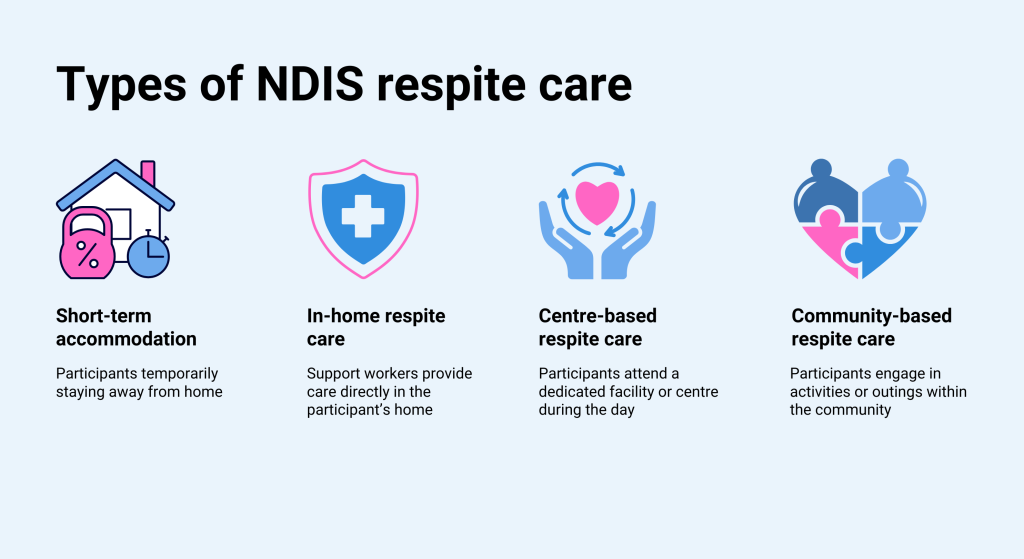
Short-Term Accommodation and Respite
Although not always delivered in the home, respite funding allows carers to take extended breaks while participants receive professional care.
Families should speak with their NDIS Support Coordinator or Local Area Coordinator to explore appropriate funding options.
How to Access NDIS In-Home Supports
If you believe additional support could reduce burnout, follow these steps:
- Review the participant’s NDIS plan.
- Identify funding categories that allow in-home assistance.
- Speak with a Support Coordinator (if included in the plan).
- Research registered or non-registered NDIS providers.
- Schedule a service agreement tailored to your family’s needs.
If funding is insufficient, plan reviews can be requested when circumstances change.
Choosing the Right NDIS In-Home Support Provider
Selecting a quality provider is essential for both participant wellbeing and carer confidence.
What to Look For:
- Experienced and trained support workers
- Clear communication practices
- Flexible scheduling
- Strong safety and compliance standards
- Transparent pricing
- Positive client reviews
A good provider will collaborate with both the participant and their carer to create a personalised support plan.
The Long-Term Benefits of Preventing Carer Burnout
Reducing carer burnout is not just about comfort — it protects mental health, strengthens family relationships, and improves outcomes for people with disability.
When carers are supported:
- Stress levels decrease
- Health improves
- Relationships remain positive
- Care quality increases
- Participants gain independence
NDIS in-home supports are not about replacing family care. They are about strengthening it.
Final Thoughts: You Don’t Have to Do It Alone
Carers are the backbone of disability support across Australia. However, no one should carry the responsibility alone.
Through the National Disability Insurance Agency, the NDIS provides structured funding for in-home supports that reduce physical strain, emotional stress, and long-term burnout.
If you or someone you know is experiencing carer fatigue, exploring NDIS in-home support options could be the turning point toward balance and wellbeing.
Sustainable care starts with supporting the carer — and the right in-home services can make all the difference.