
Real Experiences from People with Disabilities
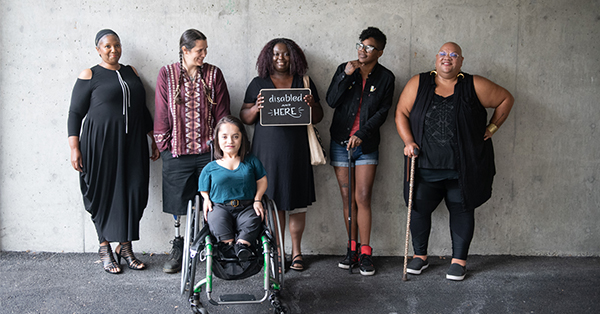
Understanding the world through the eyes of people with disabilities is essential for creating an inclusive, empathetic, and supportive society. While statistics and policies provide a broad overview, the lived experiences of individuals with disabilities offer a deeper understanding of the challenges, triumphs, and daily realities they face. Sharing these real experiences highlights the importance of accessibility, support systems, and social inclusion.
The Importance of Listening to Lived Experiences
Policies, services, and support programs are most effective when informed by the actual experiences of those they aim to serve. Listening to people with disabilities:
- Highlights real-world challenges often overlooked in research or policy
- Encourages empathy and understanding within communities
- Provides insights for improving accessibility, healthcare, education, and employment
Why Personal Stories Matter
Personal stories humanize disability. They go beyond statistics to reveal emotions, resilience, and individuality. These narratives challenge stereotypes, break down misconceptions, and inspire action toward inclusive solutions.
Daily Challenges Faced by People with Disabilities
People with disabilities often encounter obstacles in areas most people take for granted. Their experiences shed light on the gaps in society’s support systems.
Physical Accessibility
Many individuals face barriers in transportation, public spaces, and buildings. Real experiences include:
- Difficulty accessing public transportation due to lack of ramps or elevators
- Navigating narrow doorways or inaccessible bathrooms
- Challenges with uneven sidewalks or poor urban planning
These barriers impact independence, employment, and social participation.
Digital Accessibility
In an increasingly digital world, inaccessible websites, apps, and online platforms create daily frustrations. Individuals with visual or cognitive disabilities often share stories of struggling with:
- Online forms not compatible with screen readers
- Lack of captions or audio descriptions in digital content
- Complicated navigation on websites and apps
Employment and Education Challenges
Accessing education and employment opportunities remains a critical issue. Real experiences reveal:
- Difficulty finding workplaces with adequate accommodations
- Limited understanding from colleagues or educators
- Barriers to pursuing higher education due to inaccessible learning materials or classrooms
Social and Emotional Barriers
Many people with disabilities report feelings of isolation, discrimination, or misunderstanding. Stories highlight:
- Experiencing stigma in social or professional environments
- Emotional strain from navigating everyday life with limited support
- The need for community and peer support to foster inclusion and well-being
Triumphs and Achievements
Despite these challenges, real experiences also showcase remarkable resilience, innovation, and accomplishments. Stories from people with disabilities often emphasize:
- Overcoming physical and social barriers to achieve independence
- Excelling in education, arts, sports, and professional careers
- Advocating for themselves and others to improve accessibility and inclusion
Personal Growth and Resilience
Many individuals share how living with a disability fosters resilience, adaptability, and problem-solving skills. These personal traits often translate into leadership, creativity, and advocacy in various spheres of life.
Inspiring Others
By sharing their stories, people with disabilities inspire peers, caregivers, and society at large. Their experiences demonstrate the value of perseverance, self-advocacy, and community support.
The Role of Support Systems
Real experiences consistently highlight the importance of support systems. These include family, caregivers, peer networks, disability support services, and community programs.
Family and Caregiver Support
Family and caregivers often provide essential assistance, emotional support, and advocacy. Stories reflect:
- The difference a patient and understanding caregiver can make in daily life
- How family encouragement fosters independence and confidence
Peer and Community Networks
Support from peers and community organizations provides connection, mentorship, and shared experiences. Online forums, local groups, and recreational programs offer:
- Emotional encouragement and shared problem-solving
- Opportunities for social interaction and skill development
Professional Services
Therapists, healthcare providers, and disability support services play a vital role. Real experiences often highlight the impact of:
- Access to physical therapy, occupational therapy, and counseling
- Adaptive technologies that enhance independence and mobility
Lessons Learned from Real Experiences
Listening to real experiences from people with disabilities provides valuable lessons for society:
- Empathy and Understanding: Understanding individual experiences fosters compassion and reduces stigma.
- The Importance of Accessibility: Firsthand accounts highlight the need for accessible public spaces, digital platforms, and services.
- Resilience and Strength: People with disabilities often demonstrate remarkable perseverance and adaptability.
- Community Matters: Support networks, peer groups, and inclusive communities make a meaningful difference.
- Advocacy Drives Change: Individuals sharing their stories often inspire policies, programs, and social change.
The Broader Impact on Society
Sharing real experiences benefits not only people with disabilities but society as a whole.
- Raising Awareness: Personal stories educate communities, employers, and policymakers about daily challenges.
- Promoting Inclusivity: Understanding experiences encourages inclusive design, workplaces, and public spaces.
- Inspiring Policy Improvements: Narratives inform better laws, support services, and accessibility standards.
- Strengthening Communities: Communities that listen and respond to real experiences foster belonging and social cohesion.
How to Amplify Voices
To fully leverage the insights from real experiences, society must prioritize platforms and opportunities for people with disabilities to share their stories.
Storytelling and Media
Blogs, podcasts, video series, and social media can showcase real-life narratives. This visibility challenges stereotypes and builds empathy.
Participation in Policy and Research
Including people with disabilities in research, advisory boards, and policy discussions ensures programs and services meet actual needs.
Community Engagement
Local events, workshops, and support groups provide safe spaces for sharing experiences and learning from peers.
Conclusion
Real experiences from people with disabilities provide an authentic perspective on daily life, highlighting both challenges and triumphs. From navigating physical barriers to overcoming social stigma, these stories emphasize the importance of empathy, accessibility, support systems, and community.
By listening to and amplifying these experiences, society gains invaluable insights that drive inclusivity, policy improvements, and meaningful change. People with disabilities are not defined by their limitations—they are leaders, advocates, and sources of inspiration. Their experiences remind us all that inclusion benefits everyone, and that creating supportive environments is both a responsibility and an opportunity.