
Understanding the Real Needs of People with Disabilities
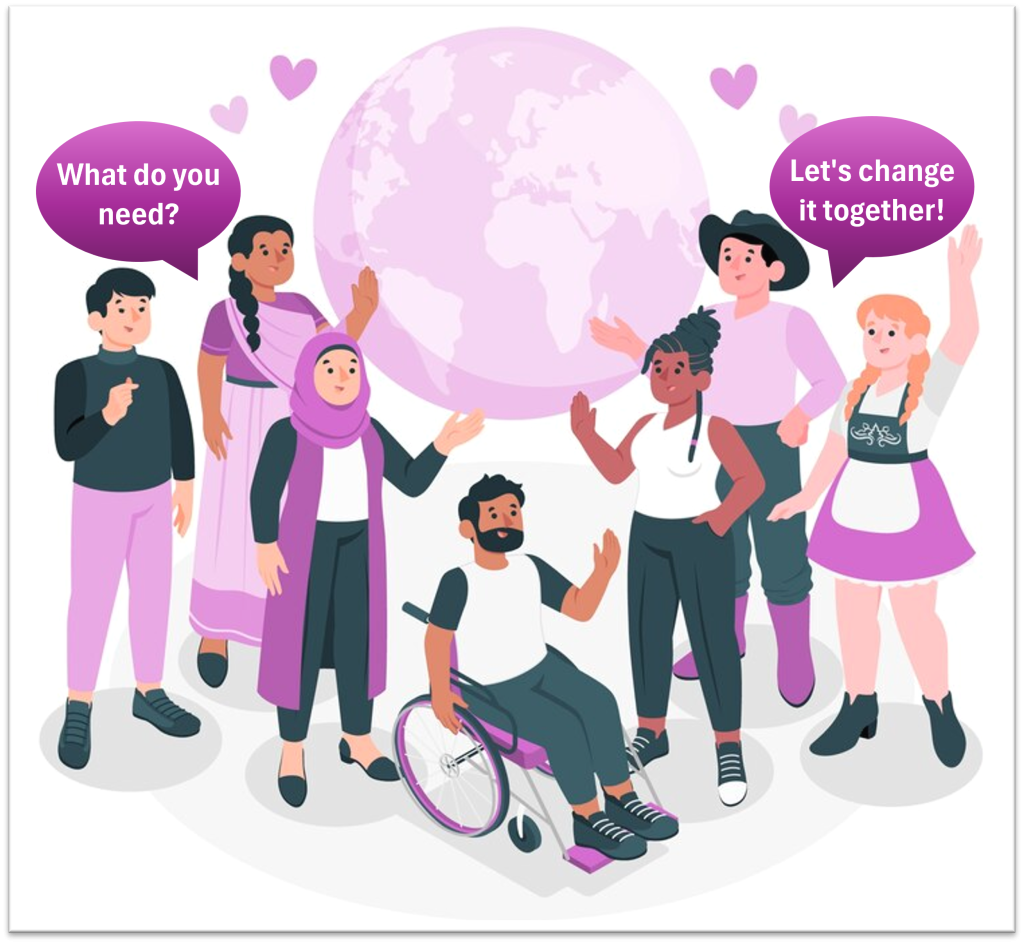
People with disabilities make up a significant portion of the global population, yet their needs are often misunderstood or overlooked. Understanding these needs is essential for creating inclusive communities, workplaces, and social services. This article explores the real needs of people with disabilities, how society can meet them, and the importance of accessibility and support systems.
What Does “Disability” Mean?
Disability is a broad term that includes physical, sensory, cognitive, and mental health impairments that can limit a person’s ability to participate fully in society. The World Health Organization (WHO) estimates that over 1 billion people worldwide live with some form of disability. Understanding the diverse nature of disabilities is the first step toward addressing their real needs.
Types of Disabilities
- Physical Disabilities: These affect mobility and physical function, such as spinal cord injuries, muscular dystrophy, or amputations.
- Sensory Disabilities: These include vision and hearing impairments.
- Cognitive or Intellectual Disabilities: These affect learning, memory, and problem-solving abilities.
- Mental Health Disabilities: Conditions such as depression, anxiety disorders, and schizophrenia.
Recognizing the different types of disabilities helps communities and policymakers create more tailored support systems.
Accessibility: A Core Need
Accessibility is one of the most critical needs for people with disabilities. This includes both physical access and access to information and services.
Physical Accessibility
Ensuring buildings, public transportation, and public spaces are wheelchair-friendly, have ramps, elevators, and tactile guides for the visually impaired is essential. Lack of physical accessibility can isolate individuals and limit their independence.
Digital Accessibility
In today’s digital age, websites, apps, and online services must also be accessible. Tools like screen readers, voice commands, and accessible design help people with visual or cognitive disabilities navigate online spaces. Google values accessible websites in search rankings, making digital accessibility both a social and SEO benefit.
Health and Rehabilitation Needs
People with disabilities often require specialized healthcare and rehabilitation services. Regular medical care, physical therapy, occupational therapy, and mental health support are vital to maintain quality of life.
Personalized Healthcare
Each disability is unique, meaning healthcare plans must be personalized. For instance, someone with a spinal cord injury may need specialized mobility aids, while someone with visual impairment may require orientation and mobility training.
Mental Health Support
Mental health is often overlooked but is equally important. Many people with disabilities face social stigma, isolation, and stress, which can exacerbate mental health conditions. Support networks, counseling, and community programs are essential for emotional well-being.
Education and Skill Development
Education is a fundamental need for people with disabilities, as it empowers independence and social integration. Inclusive education systems and tailored learning programs can bridge the gap.
Inclusive Education
Schools and universities should provide accessible classrooms, adaptive learning materials, and trained staff to support students with disabilities. Technologies like speech-to-text software and audiobooks can enhance learning experiences.
Vocational Training and Employment
Job training programs and workplace accommodations are critical. Many people with disabilities are capable and talented but face barriers to employment. Companies that invest in inclusive hiring practices not only empower individuals but also benefit from a diverse workforce.
Social Inclusion and Community Support
Social inclusion is another key need for people with disabilities. Feeling part of a community helps improve mental health, independence, and overall quality of life.
Removing Social Stigma
Misconceptions and stereotypes about disabilities can create unnecessary barriers. Education campaigns, media representation, and awareness programs help foster acceptance and understanding.
Community Programs
Local community programs, disability support groups, and recreational activities provide opportunities for social interaction and personal growth. Such initiatives also help caregivers by providing respite and peer support.
Legal Rights and Advocacy
Legal protections are crucial in ensuring that people with disabilities receive equal opportunities. Disability rights laws, anti-discrimination policies, and advocacy organizations play a vital role.
Disability Rights Laws
Many countries have laws protecting the rights of people with disabilities, including accessibility standards, anti-discrimination measures, and employment quotas. Awareness of these rights empowers individuals to advocate for themselves.
Advocacy and Policy Development
Active advocacy ensures that policies continue to evolve and meet the changing needs of people with disabilities. Collaborating with organizations, governments, and communities helps create a more inclusive society.
Technology: A Tool for Empowerment
Assistive technology has transformed the lives of people with disabilities. From mobility aids to communication devices, technology can increase independence and participation.
Examples of Assistive Technology
- Wheelchairs and mobility scooters
- Hearing aids and cochlear implants
- Screen readers and braille displays
- Smart home devices for independent living
By leveraging technology, people with disabilities can achieve greater autonomy, education, and employment opportunities.
Challenges Still Ahead
Despite progress, many people with disabilities continue to face barriers:
- Limited access to healthcare and rehabilitation
- Inaccessible infrastructure and digital platforms
- Social stigma and discrimination
- Insufficient employment opportunities
Addressing these challenges requires ongoing commitment from governments, communities, and individuals.
Conclusion
Understanding the real needs of people with disabilities goes beyond sympathy—it requires action. Accessibility, healthcare, education, social inclusion, legal protections, and technology all play a vital role in empowering individuals with disabilities to lead fulfilling lives. By acknowledging and addressing these needs, society becomes not only fairer but stronger and more inclusive.