
How to Use NDIS Funding More Flexibly
The National Disability Insurance Scheme (NDIS) is designed to give participants choice and control over the supports they receive. However, many participants and carers are unsure about how to use their funding flexibly to meet their goals and adapt to changing needs.
This guide explains how to use NDIS funding more flexibly, strategies for maximising your plan, and tips for managing funding effectively to get the most out of your supports.
Understanding Flexible Funding in the NDIS
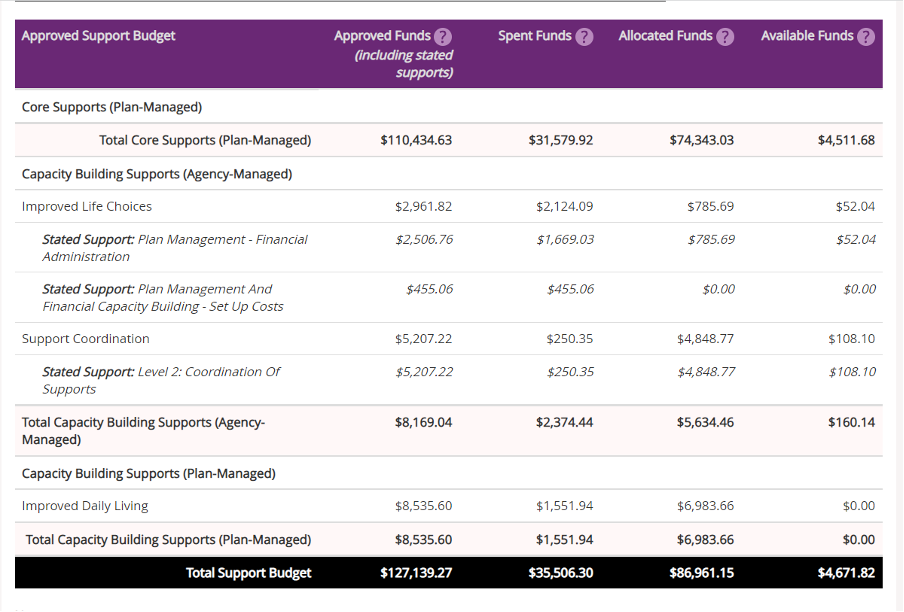
NDIS funding is allocated in three main categories:
- Core Supports: Daily living, community participation, and consumables.
- Capacity Building Supports: Therapy, skill development, and employment supports.
- Capital Supports: Equipment, assistive technology, and home modifications.
Flexible funding means using these funds in ways that best meet your individual goals, while staying within the guidelines set by the NDIS. Flexibility is especially important for participants with changing needs or those seeking innovative ways to achieve independence and participation.
Why Flexibility Matters
Using NDIS funding flexibly allows you to:
- Adjust supports as needs change: Life circumstances, health, and goals may shift over time.
- Maximise plan effectiveness: Ensures funds are spent on supports that truly make a difference.
- Explore new services or therapies: For example, trying a new therapy or community program.
- Increase independence: Tailoring supports to suit your lifestyle can reduce reliance on carers.
By approaching your NDIS plan with flexibility in mind, you can achieve greater outcomes and satisfaction.
Tips for Using Core Supports Flexibly
Core supports cover everyday tasks, transport, and social participation. To use them flexibly:
- Shift funds between line items: Some core budgets allow you to reallocate money between support types if approved.
- Combine supports for efficiency: For example, schedule multiple therapy sessions on the same day to reduce transport costs.
- Explore community activities: Use core funding for social programs, recreational classes, or skill-building workshops.
Always check your plan’s Core Supports budget rules before making changes to avoid breaching funding conditions.
Using Capacity Building Supports for Flexibility
Capacity building supports are meant to increase independence and skills. Flexible approaches include:
- Mixing therapy and skill development: For instance, combining occupational therapy with community participation programs.
- Trialling new services: If a therapy approach isn’t working, reallocating funds to alternative evidence-based services may be possible.
- Using providers creatively: Some providers offer group sessions, online programs, or home-based options that save time and budget.
Flexibility in capacity building supports allows participants to focus on strategies that produce tangible outcomes.
Flexible Use of Capital Supports
Capital supports include equipment, home modifications, and assistive technology. Flexible strategies include:
- Choosing multi-purpose equipment: For example, equipment that supports both mobility and exercise.
- Purchasing used or refurbished items: This can free up funds for other supports if the NDIS allows it.
- Coordinating with other funding sources: Combining NDIS funds with grants or government programs can increase flexibility.
Proper planning and professional advice ensure capital supports are used efficiently without compromising safety or quality.
Plan Management Options for Flexibility
Your plan management method can significantly impact how flexibly you can use your NDIS funding:
- NDIA-Managed: The NDIA pays providers directly. Offers limited flexibility in provider choice.
- Plan-Managed: A plan manager handles payments, giving you more freedom to choose providers, including non-registered ones.
- Self-Managed: Full control over funds, maximum flexibility to hire providers or purchase supports.
Selecting the right plan management option is key to making your funding work in a way that suits your lifestyle and goals.
Tips for Maximising Funding Flexibility
To get the most out of your NDIS plan:
- Set clear, achievable goals: Well-defined goals make it easier to use funding creatively.
- Keep detailed records: Track how funds are spent to support plan reviews and adjustments.
- Regularly review your plan: If needs change, request a review to reallocate funding where necessary.
- Consult support coordinators: They can advise on creative, approved ways to use funding.
- Stay informed about NDIS rules: Flexibility is allowed within the guidelines, so know what is reasonable and necessary.
Common Mistakes to Avoid
When using NDIS funding flexibly, participants often make mistakes such as:
- Spending outside plan categories without approval
- Failing to document purchases or services
- Not consulting providers or support coordinators before reallocating funds
- Ignoring plan review opportunities
- Overlooking innovative or alternative supports that meet goals
Avoiding these mistakes ensures your plan remains compliant and effective.
Creative Ways to Use NDIS Funding
Here are some examples of flexible use of funding:
- Therapy at home or online: Saves travel time and allows more frequent sessions.
- Community engagement programs: Combine social participation and skill-building activities.
- Assistive technology apps: Using apps for communication or daily living tasks instead of traditional devices.
- Combined provider services: Some providers can bundle therapy and training sessions for efficiency.
Innovation and flexibility can help participants achieve goals faster while making the most of available funds.
Preparing for a Flexible Plan Review
A plan review is a good opportunity to increase flexibility:
- Collect evidence of what worked and what didn’t
- Note any changes in circumstances or goals
- Discuss with your planner or support coordinator how funding can be used differently
- Request reallocation between categories if necessary
Being proactive ensures your plan adapts to your evolving needs and lifestyle.
Final Thoughts: Flexibility Empowers Participants
NDIS funding is designed to provide choice and control. Using your funding flexibly allows you to:
- Tailor supports to your individual goals
- Explore new therapies and activities
- Maximise independence and participation
- Make your plan work for your life, not the other way around
By understanding your options, using plan management effectively, and consulting professionals when needed, you can get the most out of your NDIS plan and achieve meaningful outcomes.