

The Power of Social Inclusion
Introduction: Why Social Inclusion Matters
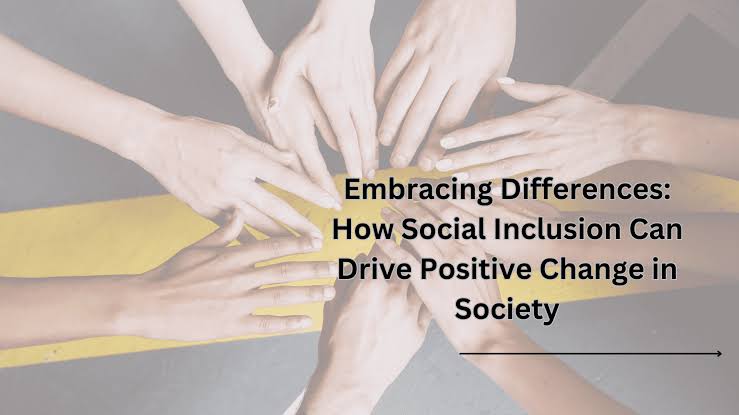
Social inclusion is an essential part of creating a society where everyone has the opportunity to participate, connect, and feel valued. For people living with disabilities, being included in the community can have a powerful impact on confidence, wellbeing, and overall quality of life.
Social inclusion means having equal opportunities to participate in everyday activities, build relationships, access services, and contribute to the community. It is about removing barriers and creating environments where people of all abilities feel respected and supported.
Disability support services play an important role in promoting social inclusion by helping individuals access community activities, develop meaningful connections, and achieve personal goals. With the right support, people living with disabilities can experience greater independence, confidence, and a stronger sense of belonging.
This article explores the power of social inclusion and how disability support services help create more connected and inclusive communities.
What Is Social Inclusion?
Social inclusion is the process of ensuring that all individuals have the opportunity to participate fully in society. It involves creating equal access to social, educational, employment, recreational, and community opportunities.
For people with disabilities, social inclusion means having the same opportunities as others to:
- Build friendships and relationships
- Participate in community activities
- Access education and employment
- Make personal choices
- Share their skills and experiences
- Feel valued and respected
True inclusion goes beyond simply allowing people to participate. It focuses on creating environments where individuals feel welcomed, accepted, and supported.
The Importance of Social Inclusion for People with Disabilities
Social connections and community participation are important for everyone’s wellbeing. For people living with disabilities, social inclusion can help reduce isolation and create opportunities for personal growth.
Being included in the community can provide many benefits, including:
- Increased confidence and self-esteem
- Improved emotional wellbeing
- Greater independence
- Stronger relationships
- Opportunities to develop new skills
- A greater sense of belonging
When individuals feel connected to others, they are more likely to pursue goals, explore new opportunities, and participate actively in their communities.
How Disability Support Services Promote Social Inclusion
Disability support services help individuals overcome barriers that may prevent them from participating fully in community life. Through personalised support, individuals can access opportunities that align with their interests, abilities, and goals.
Support may include assistance with:
- Attending community events
- Joining social groups
- Accessing recreational activities
- Building communication skills
- Developing confidence in social situations
- Using community facilities and services
The goal of disability support is to empower individuals to participate in ways that are meaningful to them.
1. Building Meaningful Relationships
Strong social connections are an important part of a fulfilling life. Disability support services can help individuals develop and maintain meaningful relationships with family, friends, neighbours, and community members.
Support workers can encourage individuals to participate in activities where they can meet new people and develop shared interests.
Meaningful relationships can provide:
- Emotional support
- Friendship and companionship
- Increased confidence
- A stronger sense of belonging
Having supportive relationships helps individuals feel connected and valued within their community.
2. Increasing Access to Community Activities
Many people with disabilities may experience barriers when trying to access community activities. These barriers can include transportation challenges, accessibility issues, or a lack of confidence.
Disability support services help reduce these barriers by providing practical assistance and encouragement.
Community participation may include:
- Sports and recreational programs
- Arts and creative activities
- Community groups
- Educational courses
- Local events
- Volunteer opportunities
Taking part in community activities allows individuals to explore interests, meet others, and experience new opportunities.
3. Improving Confidence and Self-Esteem
Confidence plays an important role in social inclusion. Some individuals may feel uncertain about participating in new environments or meeting new people.
Disability support workers provide encouragement and reassurance, helping individuals develop confidence at their own pace.
Small achievements, such as attending a community activity or starting a conversation, can create positive experiences and build self-esteem over time.
As confidence grows, individuals may feel more comfortable exploring new opportunities and becoming more involved in their communities.
4. Encouraging Independence and Choice
Social inclusion is closely connected to independence. Having the ability to choose activities, make decisions, and express preferences helps individuals maintain control over their lives.
Person-centred disability support services focus on individual choice and personal goals.
This means individuals can decide:
- Which activities they want to participate in
- Who they want to connect with
- What goals they want to achieve
- How they want their support delivered
Having choice and control helps create a stronger sense of independence and empowerment.
5. Supporting Communication and Social Skills
Communication is an important part of building relationships and participating in the community. Disability support services can help individuals develop communication skills that support social interaction.
Support may involve:
- Practising conversations
- Developing confidence in social situations
- Using communication tools
- Expressing personal needs and preferences
Improved communication skills can help individuals connect with others and participate more confidently in everyday activities.
6. Reducing Social Isolation
Social isolation can affect emotional wellbeing and quality of life. People living with disabilities may sometimes experience barriers that make it difficult to maintain social connections.
Disability support services help reduce isolation by creating opportunities for connection and participation.
Regular involvement in community activities can provide:
- Consistent social interaction
- New friendships
- Increased motivation
- A stronger connection to the community
Everyone benefits from having opportunities to connect with others and feel included.
7. Creating More Inclusive Communities
Social inclusion is not only about supporting individuals; it is also about creating communities where everyone can participate.
Disability support services contribute to more inclusive communities by encouraging awareness, accessibility, and acceptance.
Inclusive communities:
- Recognise the abilities of all individuals
- Remove unnecessary barriers
- Encourage participation
- Value diversity
When communities become more accessible and welcoming, everyone benefits.
8. Supporting Personal Growth and New Experiences
Social inclusion provides opportunities for individuals to learn, grow, and discover new interests.
Through community participation, people can develop:
- New skills
- Greater confidence
- Leadership abilities
- Personal independence
- New hobbies and interests
Disability support services help individuals explore opportunities that align with their personal goals and aspirations.
9. Helping Individuals Achieve Personal Goals
Everyone has unique goals and dreams. Social inclusion allows individuals to pursue goals that are meaningful to them.
Goals may include:
- Making new friends
- Joining a local group
- Finding employment opportunities
- Learning new skills
- Becoming more active in the community
Support workers help individuals identify their goals and create practical pathways to achieve them.
10. Improving Overall Quality of Life
The power of social inclusion can be seen in the positive impact it has on overall quality of life. Feeling connected, valued, and involved can improve emotional wellbeing and create a greater sense of purpose.
When people have opportunities to participate and contribute, they are more likely to experience:
- Increased happiness
- Greater confidence
- Improved independence
- Stronger relationships
- A more fulfilling lifestyle
Social inclusion helps individuals live lives that are meaningful and connected.
Choosing Disability Support Services That Promote Inclusion
Choosing the right disability support provider is an important step in creating opportunities for social inclusion. The right provider should focus on individual goals, preferences, and interests.
When selecting a disability support provider, consider:
- A person-centred approach
- Experienced and supportive staff
- Flexible services
- Community participation opportunities
- Respect for individual choices
A quality disability support provider works alongside individuals to help them participate in the community and achieve their personal goals.
Conclusion: The Power of Being Included
Social inclusion has the power to transform lives by creating opportunities for connection, participation, and personal growth. For people living with disabilities, being included means having the chance to build relationships, pursue goals, and contribute to the community.
Disability support services play a vital role in breaking down barriers and helping individuals access meaningful experiences. Through personalised support, encouragement, and community participation, people can build confidence and enjoy a greater sense of belonging.
An inclusive community is one where everyone has the opportunity to participate, contribute, and live a meaningful life.