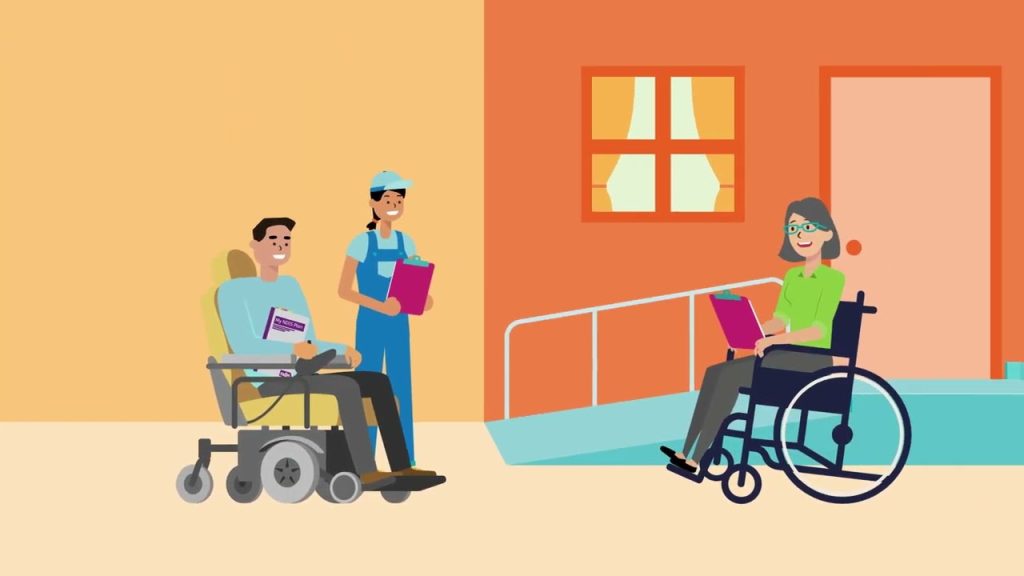


NDIS Home Modifications Explained
Home is where independence and comfort meet, and for participants of the National Disability Insurance Scheme (NDIS), having a home environment that supports daily living is essential. NDIS home modifications are designed to make your living space safer, more accessible, and better suited to your individual needs.
Understanding how home modifications work, what types are funded, and how to request them in your NDIS plan is crucial to ensuring your home meets your goals for independence and participation. This guide provides a detailed overview of NDIS home modifications and how you can access funding.
What Are NDIS Home Modifications?
NDIS home modifications are physical changes to your home that improve accessibility, safety, and functionality. These modifications are funded when they are reasonable and necessary to support your disability-related needs.
The modifications may include:
- Structural changes such as ramps, widened doorways, or stair lifts
- Bathroom and kitchen adjustments for accessibility
- Safety installations such as grab rails or handrails
- Environmental control systems to improve independence
These modifications are designed to help you live independently, safely, and comfortably in your own home.
Who Can Access Home Modifications Funding?
Not all NDIS participants automatically receive home modification funding. Eligibility typically depends on:
- Having a disability that affects mobility or daily living
- Demonstrating that modifications will support your NDIS goals
- Showing that the changes are reasonable and necessary
Your needs are assessed on a case-by-case basis. The NDIS considers whether the modification:
- Reduces reliance on carers or support workers
- Improves safety at home
- Increases your ability to participate in the community
- Prevents future injuries or health complications
Participants can request home modifications if their current home environment limits independence or poses safety risks.
How Home Modifications Fit Into Your NDIS Plan
Home modifications are funded under the Capital Supports category in your NDIS plan. This means the funding is allocated specifically for equipment, aids, and structural modifications rather than daily living supports.
During your planning meeting, you should:
- Explain your goals and challenges at home
- Provide supporting documentation, such as occupational therapist assessments
- Request specific modifications that will help achieve your goals
Including clear links between your NDIS goals and home modifications improves the likelihood of approval.
Types of NDIS Home Modifications
The NDIS funds a wide range of modifications to make your home more accessible and safe. Here are the main categories:
1. Mobility and Accessibility Modifications
These changes make it easier to move around your home, especially if you use mobility aids.
Examples include:
- Ramps for entry and exit points
- Widening doorways for wheelchair access
- Stair lifts or platform lifts
- Smooth flooring or non-slip surfaces
These modifications allow participants to move independently and safely within their home.
2. Bathroom and Toilet Modifications
Bathrooms can be challenging for participants with mobility or balance issues. The NDIS may fund modifications such as:
- Accessible showers with grab rails
- Height-adjusted toilets and sinks
- Bath lifts or walk-in bathtubs
- Non-slip flooring and safety rails
These modifications promote independence and reduce the risk of accidents.
3. Kitchen Modifications
The kitchen is another area where accessibility is important. Funded modifications may include:
- Adjustable benches or work surfaces
- Accessible cupboards and storage
- Modified appliances for ease of use
- Pull-out shelving or lever taps
Accessible kitchens allow participants to prepare meals safely and independently.
4. Safety and Environmental Modifications
Safety modifications focus on preventing accidents and creating a secure environment. Examples include:
- Grab rails in hallways and bedrooms
- Automatic lighting or motion sensors
- Door modifications for easier access
- Emergency alert systems
These changes reduce the risk of injury and support daily living.
5. Environmental Control Systems
Technology can also be included under home modifications. Environmental control systems help participants control their home environment independently. Examples include:
- Automated lighting and climate control
- Smart home devices for doors and windows
- Voice-activated systems
These systems improve independence and make daily living more convenient.
How to Request Home Modifications Funding
To request home modification funding, follow these steps:
Step 1: Identify Your Needs
Assess your home environment and identify areas that limit independence or create safety risks. Ask yourself:
- Which areas of my home are difficult to access?
- What tasks are challenging due to my disability?
- How can modifications support my NDIS goals?
Step 2: Obtain Professional Assessments
Most home modification requests require an occupational therapist or qualified professional assessment. They provide:
- Recommendations for specific modifications
- Evidence supporting the need for funding
- Detailed reports to include in your NDIS plan
Step 3: Include Modifications in Your NDIS Plan
During your planning meeting, present your assessment and explain how each modification aligns with your NDIS goals. Providing detailed quotes and specifications can also strengthen your request.
Step 4: Choose an Approved Provider
Once funding is approved, modifications must be completed by NDIS-registered providers or licensed contractors. This ensures quality, safety, and compliance with regulations.
Tips for Successful Home Modification Requests
- Link Modifications to Goals – Show how each change improves independence, safety, or participation.
- Use Professional Recommendations – Occupational therapist assessments increase approval chances.
- Provide Detailed Quotes – Accurate pricing helps the NDIS understand funding needs.
- Plan for Future Needs – Consider potential future mobility or accessibility challenges.
- Consult a Support Coordinator – They can assist with planning, provider selection, and managing approvals.
Common Challenges and How to Overcome Them
Challenge 1: Funding Denial
If your request is denied, you can:
- Provide additional supporting documentation
- Show clear links to your NDIS goals
- Request a review of your plan
Challenge 2: Limited Providers
Some areas may have fewer registered modification providers. Solutions include:
- Expanding your search to nearby regions
- Asking your support coordinator for recommendations
- Exploring temporary solutions until permanent modifications are installed
Challenge 3: Cost Management
Home modifications can be costly. To manage costs:
- Get multiple quotes
- Discuss payment options with providers
- Include all costs in your NDIS funding request
Final Thoughts
NDIS home modifications play a vital role in enhancing independence, safety, and quality of life for participants. From mobility and bathroom modifications to smart home systems and safety upgrades, these changes can make a real difference in daily living.
By identifying your needs, obtaining professional assessments, linking modifications to your goals, and working with approved providers, you can successfully access funding for the modifications that matter most.
Remember, the NDIS is designed to give participants choice and control, ensuring your home environment supports your disability-related needs and empowers you to live independently and comfortably.