

Restrictive Practices and the NDIS Quality and Safeguards Framework
Restrictive practices are one of the most closely regulated and ethically sensitive areas within the National Disability Insurance Scheme (NDIS). To protect the rights, dignity, and safety of people with disability, the NDIS Quality and Safeguards Framework sets strict rules around when and how restrictive practices may be used.
This article explains what restrictive practices are, how they are regulated under the NDIS, and what providers, behaviour support practitioners, and participants need to know to remain compliant while promoting positive, rights-based support.
What Are Restrictive Practices Under the NDIS?
Under the NDIS, restrictive practices are defined as any practice or intervention that restricts the rights or freedom of movement of a person with disability. These practices are only permitted in very limited circumstances and must always be used as a last resort.
The NDIS recognises five types of restrictive practices:
- Seclusion – confining a person alone in a space they cannot freely exit
- Chemical restraint – use of medication to influence behaviour, not treat a diagnosed condition
- Mechanical restraint – use of devices to restrict movement (e.g. straps or splints not clinically required)
- Physical restraint – physical force used to restrict movement
- Environmental restraint – restricting access to areas, objects, or activities (e.g. locked cupboards or doors)
The NDIS Quality and Safeguards Framework aims to reduce and eliminate the use of restrictive practices wherever possible.
Purpose of the NDIS Quality and Safeguards Framework
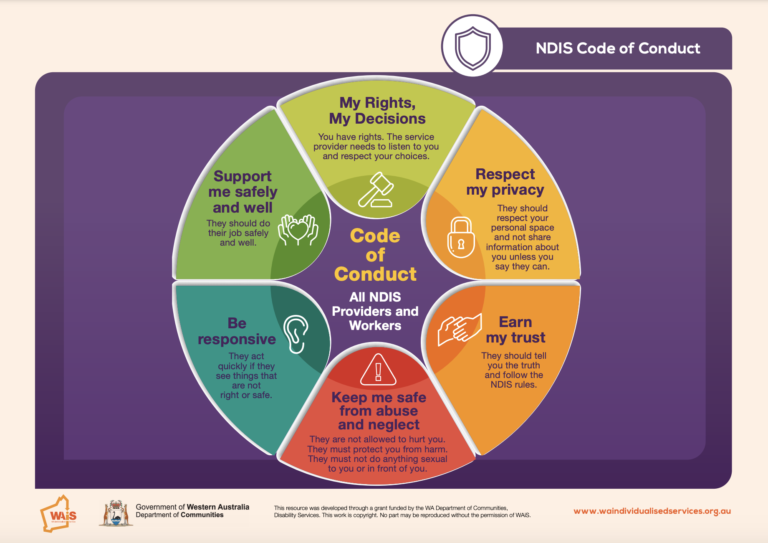
The NDIS Quality and Safeguards Framework was established to ensure that people with disability:
- Are safe from harm, abuse, neglect, and exploitation
- Have their human rights protected
- Receive high-quality, accountable supports
- Are supported in ways that respect dignity, choice, and control
Restrictive practices are addressed within the framework because of their high risk of misuse, trauma, and rights violations. The framework promotes positive behaviour support and proactive strategies instead of restriction.
Legal and Regulatory Oversight of Restrictive Practices
Restrictive practices are regulated through a combination of:
- The NDIS Act
- The NDIS (Restrictive Practices and Behaviour Support) Rules
- Oversight by the NDIS Quality and Safeguards Commission
- State and territory authorisation processes
Any use of restrictive practices must be:
- Authorised under relevant state or territory legislation
- Included in an approved Behaviour Support Plan
- Reported to the NDIS Commission
- Actively monitored and reviewed
Unauthorised restrictive practices are considered a serious compliance breach.
Role of Behaviour Support Plans
A Behaviour Support Plan (BSP) is central to lawful restrictive practice use under the NDIS. These plans must be developed by a registered NDIS Behaviour Support Practitioner.
A compliant Behaviour Support Plan must:
- Focus on understanding the causes of behaviour
- Prioritise positive behaviour support strategies
- Clearly document any proposed restrictive practices
- Include strategies to reduce and eliminate restriction over time
- Be reviewed regularly
The framework makes it clear that restrictive practices cannot exist without an approved plan and ongoing reduction strategies.
Provider Responsibilities Under the Framework
NDIS providers have significant obligations when supporting participants subject to restrictive practices. Under the Quality and Safeguards Framework, providers must:
- Ensure staff are trained to recognise restrictive practices
- Prevent the use of unauthorised or convenience-based restriction
- Report all regulated restrictive practices to the NDIS Commission
- Maintain accurate records and incident reporting
- Work collaboratively to reduce restrictive practices
Failure to meet these responsibilities can result in compliance action, sanctions, or deregistration.
Human Rights and Ethical Considerations
The NDIS Quality and Safeguards Framework is strongly aligned with human rights principles, including the United Nations Convention on the Rights of Persons with Disabilities (CRPD).
Restrictive practices can impact:
- Personal autonomy
- Freedom of movement
- Privacy
- Emotional and psychological wellbeing
For this reason, the framework emphasises:
- Least restrictive alternatives
- Informed consent where possible
- Participant-centred decision-making
- Transparency and accountability
The goal is not just compliance, but ethical, respectful support.
Reducing and Eliminating Restrictive Practices
A core objective of the NDIS framework is reduction and elimination. Evidence shows that restrictive practices decrease when providers invest in:
- Skilled behaviour support practitioners
- Trauma-informed care
- Communication supports
- Environmental modifications
- Consistent staff training
Positive Behaviour Support (PBS) focuses on preventing behaviour of concern, rather than reacting with restriction. This approach benefits both participants and support teams.
Role of the NDIS Quality and Safeguards Commission
The NDIS Quality and Safeguards Commission oversees the use of restrictive practices by:
- Monitoring reports and data
- Conducting audits and investigations
- Enforcing compliance actions
- Supporting sector education and reform
The Commission also publishes guidance to help providers understand their obligations and improve practice quality.
Why Understanding the Framework Matters
Restrictive practices sit at the intersection of safety, rights, and quality care. Misunderstanding or misapplying the rules can place participants at risk and expose providers to serious consequences.
Understanding the NDIS Quality and Safeguards Framework helps ensure that:
- Participants receive safe, respectful supports
- Providers remain legally compliant
- Restrictive practices are reduced, not normalised
- The NDIS moves toward a more inclusive, rights-based future
Conclusion
Restrictive practices under the NDIS are highly regulated for good reason. The NDIS Quality and Safeguards Framework exists to protect people with disability from unnecessary restriction while ensuring safety through ethical, evidence-based support.
By prioritising positive behaviour support, robust governance, and human rights, the framework challenges the sector to move beyond restriction and toward empowerment, dignity, and choice.