

Step-by-Step Guide to Accessing NDIS ILO Accommodation
If you’re exploring independent living support through the NDIS, NDIS ILO accommodation (Individualised Living Options) can be a flexible and person-centred way to live more independently while still receiving tailored support. Unlike traditional housing models, ILO focuses on designing a living arrangement that suits your goals, preferences, and level of support needs.
This step-by-step guide explains exactly how to access NDIS ILO accommodation, including eligibility, planning, funding, and implementation. Whether you are a participant, family member, or support coordinator, this article will help you understand the full process.
What Is NDIS ILO Accommodation?
Individualised Living Options (ILO) is a type of NDIS-funded support designed to help people with disability live in a home environment that suits their lifestyle and independence goals.
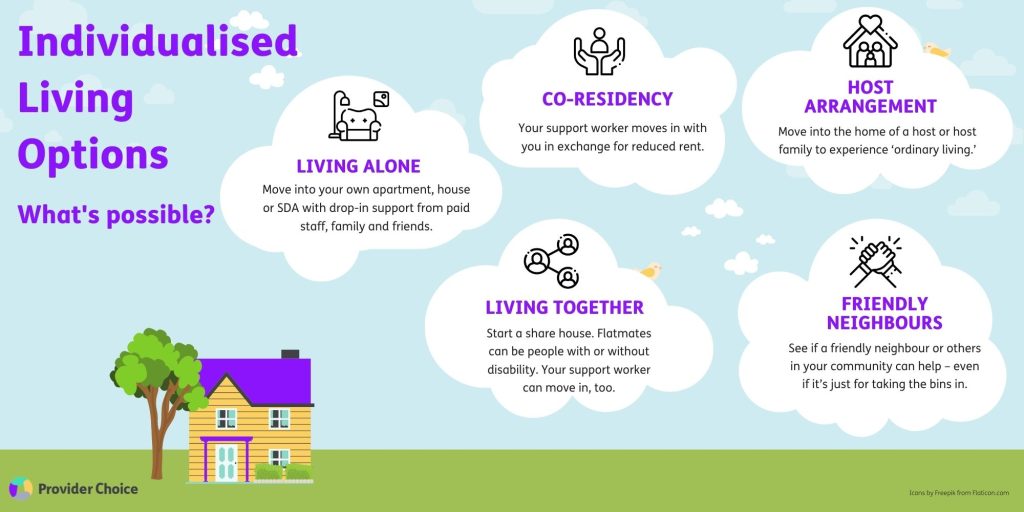
Instead of being locked into a specific housing model, ILO allows you to design your living arrangement. This might include:
- Living alone with drop-in support
- Sharing a home with a host family or housemate
- Living with informal supports combined with paid assistance
- Creating a custom support network in your own home
The key idea behind NDIS ILO accommodation is flexibility, choice, and control.
Step 1: Check Your NDIS Eligibility
Before accessing ILO funding, you must be an approved participant of the National Disability Insurance Scheme (NDIS).
To be eligible, you generally need to:
- Be under 65 years old when applying
- Have a permanent and significant disability
- Be an Australian citizen, permanent resident, or hold a Protected Special Category Visa
- Require support to complete daily living activities
If you are not yet an NDIS participant, you will need to apply through the NDIS access request process.
Step 2: Understand Whether ILO Is Right for You
NDIS ILO accommodation is not suitable for everyone. It is designed for people who want to live more independently but still require structured or informal support.
ILO may be suitable if you:
- Want more choice and flexibility in where and how you live
- Do not require 24/7 onsite support (in most cases)
- Prefer customised support rather than group-based housing
- Are open to exploring different living arrangements
If you require higher, more intensive daily support, you may also want to compare ILO with other options like Supported Independent Living (SIL).
Step 3: Discuss ILO in Your NDIS Planning Meeting
The next step is to raise ILO accommodation during your NDIS planning or plan review meeting.
You should:
- Explain your current living situation
- Discuss your goals for independent living
- Highlight the type of support you need
- Ask for an assessment for ILO funding
Your planner or Local Area Coordinator (LAC) will consider whether ILO is a reasonable and necessary support for your situation.
Tip: Be clear about your long-term goals, not just your current needs. ILO is highly goal-focused.
Step 4: Develop an ILO Exploration and Design Phase
If your request is supported, you will move into the ILO design phase, which is one of the most important steps in accessing NDIS ILO accommodation.
This phase involves working with a provider to explore your options and design your ideal living arrangement.
During this stage, you may:
- Identify your preferred living style
- Explore potential housemates or host arrangements
- Map out informal supports (family, friends, community)
- Determine formal support needs (e.g., daily assistance, overnight support)
- Test different living scenarios
This process is highly collaborative and can take several weeks to months depending on complexity.
Step 5: Create Your ILO Support Model
After exploration, your provider will help design a two-stage ILO support model:
1. Design Stage
This outlines:
- Your living goals
- Type of accommodation arrangement
- Support requirements
- Risk considerations
- Informal and formal support network
2. Implementation Stage
This is the practical plan that includes:
- Scheduled supports
- Budget allocation
- Service providers involved
- Housing arrangement details
- Transition plan into the new living setup
This model is then submitted to the NDIS for approval and funding.
Step 6: NDIS Approval and Funding Allocation
Once your ILO design is complete, it is submitted to the NDIS for review.
If approved, funding is allocated for:
- Support coordination
- Living arrangement setup
- Ongoing support services
- Implementation activities
It’s important to note that ILO does not usually fund rent or housing costs. Instead, it funds the supports that help you live independently.
Step 7: Set Up Your Living Arrangement
After approval, you move into the implementation stage, where your ILO plan becomes reality.
This may include:
- Moving into a new home
- Setting up shared living arrangements
- Introducing support workers
- Establishing routines and schedules
- Coordinating informal support networks
Your provider will usually assist with onboarding and ensuring everything is running smoothly.
Step 8: Ongoing Monitoring and Adjustments
NDIS ILO accommodation is not a “set and forget” model. It is flexible and can be adjusted over time.
Regular reviews will check:
- Whether your support needs are being met
- If your living arrangement is working well
- Whether adjustments are needed in support hours or structure
- Your progress toward independence goals
You can request changes during your NDIS plan review if your needs evolve.
Benefits of NDIS ILO Accommodation
Choosing ILO offers several advantages:
- Greater independence and control over living arrangements
- Highly personalised support model
- Flexibility to change living arrangements over time
- Strong focus on community inclusion
- Opportunity to build natural, informal supports
Unlike rigid accommodation models, ILO adapts to your life—not the other way around.
Common Challenges to Be Aware Of
While ILO is flexible, there are some challenges:
- The design process can take time
- Requires strong coordination between providers and supports
- Not suitable for those needing high-intensity 24/7 care
- Limited availability of experienced ILO providers in some areas
Understanding these challenges early can help you plan more effectively.
Frequently Asked Questions (FAQ)
Is NDIS ILO accommodation the same as SIL?
No. Supported Independent Living (SIL) provides structured, often 24/7 support in shared housing, while ILO is more flexible and individually designed.
Does ILO cover rent?
No. ILO funding covers support services, not accommodation costs like rent or utilities.
How long does the ILO process take?
The full process can take anywhere from a few weeks to several months depending on complexity.
Can I change my ILO plan later?
Yes. ILO is designed to be flexible and can be reviewed and adjusted over time.
Conclusion
Accessing NDIS ILO accommodation involves a structured but flexible process designed to help you build a living arrangement that matches your lifestyle and independence goals. From eligibility checks and planning meetings to design workshops and implementation, each step is focused on creating a personalised support system.
While the process can take time, the result is a tailored living arrangement that supports choice, control, and long-term independence.
If you are considering ILO, start by discussing your goals with your NDIS planner or support coordinator and explore what kind of living setup will best support your future.