

How to Develop an Individualised Living Option (ILO) Plan
Developing an Individualised Living Option (ILO) plan under the NDIS is one of the most flexible ways to design a personalised living arrangement for people with disability. Unlike traditional housing models, an ILO plan focuses on how a person wants to live, who they want to live with, and what supports they need to thrive independently.
This guide explains how to develop an Individualised Living Option (ILO) plan step-by-step, including what it involves, who is eligible, how funding works, and what to expect during the process.
What Is an Individualised Living Option (ILO) Plan?
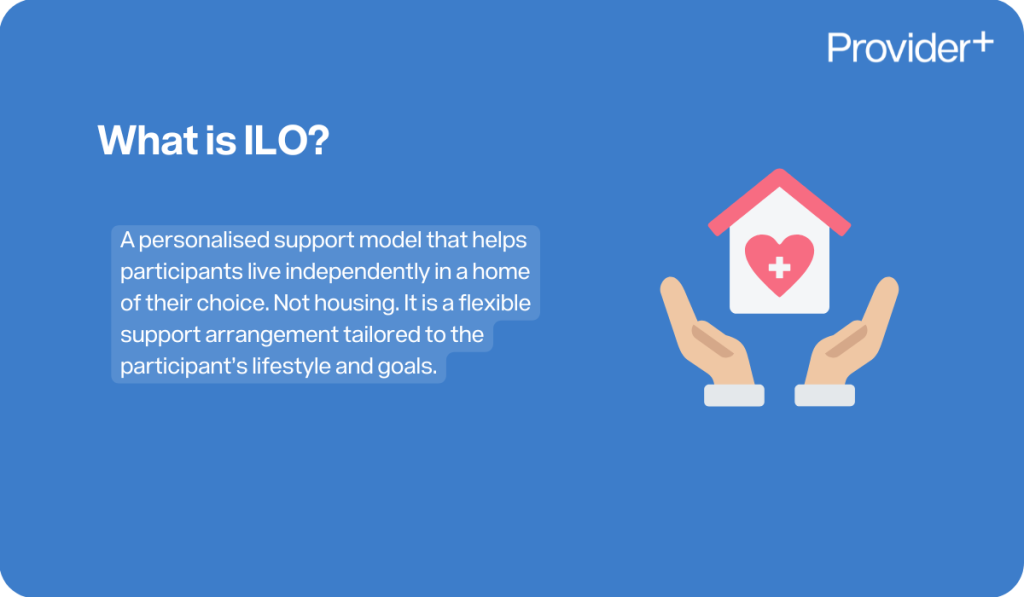
An Individualised Living Option (ILO) plan is a structured support plan funded through the National Disability Insurance Scheme (NDIS) that helps participants design a personalised living arrangement.
Instead of fitting into a fixed accommodation model, an ILO plan allows you to create a living setup based on your preferences and support needs.
An ILO plan may include:
- Living independently with drop-in support
- Sharing a home with a host or housemate
- Living with informal supports like family or friends
- Combining formal and informal supports in a customised way
The goal of an NDIS ILO plan is to build independence while ensuring appropriate support is in place.
Who Is Eligible for an NDIS ILO Plan?
Not every NDIS participant will automatically qualify for an ILO plan. It is typically suitable for people who:
- Are NDIS participants under 65 years old
- Have goals related to independent living
- Do not require high-intensity 24/7 care in most cases
- Want flexible and tailored housing support
- Are open to exploring different living arrangements
Eligibility is assessed during your NDIS planning or plan review meeting, based on your functional needs and goals.
Step 1: Identify Your Living Goals
The first step in developing an Individualised Living Option (ILO) plan is clearly identifying your living goals.
Ask yourself:
- Where do I want to live?
- Who do I want to live with?
- How much support do I need each day?
- What does independence look like for me?
Your goals should focus on long-term outcomes such as independence, safety, community involvement, and quality of life.
These goals form the foundation of your ILO plan and guide all future decisions.
Step 2: Discuss ILO in Your NDIS Planning Meeting
Once your goals are clear, you should raise ILO support during your NDIS planning or review meeting.
During this conversation:
- Explain your current living situation
- Outline your desire for independent living
- Discuss support needs and challenges
- Request funding for an ILO exploration process
Your planner or Local Area Coordinator (LAC) will assess whether an ILO plan is suitable and reasonable based on your circumstances.
Step 3: Engage an ILO Provider
If your request is approved, the next step is to engage an NDIS-registered ILO provider.
This provider plays a key role in helping you design your living arrangement.
They will:
- Help explore housing options
- Assess your support needs
- Facilitate discussions with family or informal supports
- Identify potential living arrangements (e.g., shared housing or host arrangements)
Choosing the right provider is important because they guide the entire planning process.
Step 4: Enter the Exploration Phase
The exploration phase is where your Individualised Living Option (ILO) plan starts to take shape.
During this stage, your provider will work with you to explore:
- Preferred living locations
- Potential housemates or host arrangements
- Level of daily support required
- Safety and risk considerations
- Community connections and informal supports
This phase is highly personalised and may involve multiple meetings, home visits, and discussions with your support network.
The goal is to understand what your ideal living situation looks like in detail.
Step 5: Design Your ILO Support Model
After exploration, the next step is to design your formal ILO support model.
This model is usually divided into two parts:
1. Design Stage
This includes:
- Your living goals
- Preferred accommodation setup
- Type and level of support required
- Informal support networks (family, friends, community)
- Risk management strategies
2. Implementation Stage
This includes:
- How supports will be delivered
- Scheduling of support services
- Roles of support workers or hosts
- Budget breakdown for funded supports
- Transition plan into the new arrangement
This structured plan ensures your living arrangement is practical and safe.
Step 6: Submit the ILO Plan for NDIS Approval
Once your plan is developed, your provider submits it to the NDIS for approval.
The NDIS will assess whether:
- The plan aligns with your goals
- Supports are reasonable and necessary
- The arrangement is safe and sustainable
- Funding is appropriate for your needs
If approved, funding is allocated for implementation and ongoing supports.
It’s important to note that ILO funding covers supports only, not rent or property costs.
Step 7: Implement the ILO Plan
After approval, you move into the implementation stage of your NDIS ILO plan.
This involves:
- Moving into the selected living arrangement
- Setting up support schedules
- Introducing support workers or hosts
- Establishing routines and household agreements
- Coordinating informal and formal supports
Your provider will help ensure the transition is smooth and that supports are working effectively.
Step 8: Monitor and Adjust Your Plan
An Individualised Living Option (ILO) plan is not static. It is designed to evolve as your needs change.
Ongoing monitoring includes:
- Regular check-ins with your provider
- Reviewing support effectiveness
- Adjusting schedules or services
- Updating goals as independence grows
You can request a review of your plan during your NDIS plan review if changes are needed.
Benefits of an Individualised Living Option (ILO) Plan
There are many benefits to developing an ILO plan under the NDIS, including:
- Personalised living arrangements tailored to your needs
- Greater independence and control
- Flexible support options
- Stronger community participation
- Ability to combine formal and informal supports
ILO empowers participants to design a lifestyle rather than fit into a pre-existing housing model.
Challenges to Consider When Developing an ILO Plan
While ILO is flexible, there are some challenges to be aware of:
- The planning process can take time
- Requires coordination between multiple stakeholders
- Not suitable for participants needing high-intensity 24/7 support
- Availability of experienced ILO providers may vary
Understanding these challenges early helps set realistic expectations.
Frequently Asked Questions (FAQ)
What is included in an NDIS ILO plan?
An ILO plan includes your living goals, support arrangements, risk assessments, and implementation strategy.
How long does it take to develop an ILO plan?
It can take several weeks to a few months depending on complexity and support needs.
Does ILO funding cover housing costs?
No. ILO funding covers supports only, not rent or accommodation expenses.
Can I change my ILO plan later?
Yes. ILO plans are flexible and can be updated as your needs and goals change.
Conclusion
Developing an Individualised Living Option (ILO) plan under the NDIS is a structured yet flexible process designed to help participants create personalised living arrangements that support independence and quality of life.
From identifying goals and engaging a provider to designing and implementing supports, each step of the process is focused on building a safe, sustainable, and individualised living environment.
If you are considering an NDIS ILO plan, start by clarifying your goals and speaking with your support coordinator or LAC to explore the best pathway forward for your situation.