

Core Duties of Disability Support Workers
Disability support workers play a vital role in helping individuals with disabilities live safe, independent, and fulfilling lives. From providing personal care to promoting social inclusion, the core duties of disability support workers extend far beyond basic assistance. These professionals are at the heart of community-based care, empowering people to achieve their goals while maintaining dignity and choice.
In this article, we explore the core responsibilities of disability support workers, the essential skills required, and why their role is so important in modern disability services.
What Is a Disability Support Worker?
A disability support worker is a trained professional who assists individuals living with physical, intellectual, sensory, or psychosocial disabilities. They provide tailored support based on individual care plans, ensuring participants receive the help they need while encouraging independence and personal growth.
Support may be delivered in private homes, supported accommodation, community centers, or residential facilities. Regardless of the setting, the focus remains the same: person-centered care that respects rights, preferences, and individual goals.
1. Providing Personal Care and Daily Living Assistance
One of the core duties of disability support workers is assisting with activities of daily living (ADLs). Many individuals require help with essential personal tasks to maintain hygiene, comfort, and well-being.
Personal care responsibilities may include:
- Bathing and grooming
- Dressing and personal hygiene
- Toileting and continence support
- Feeding assistance
- Mobility and transfers
Support workers must perform these tasks with sensitivity, professionalism, and respect for privacy. Maintaining dignity is a critical part of quality disability support services.
2. Supporting Independence and Skill Development
A key goal in disability support is fostering independence rather than creating dependence. Disability support workers encourage individuals to develop life skills that improve confidence and self-sufficiency.
This may involve:
- Teaching cooking and meal preparation
- Budgeting and money management
- Public transport training
- Communication skill development
- Household management tasks
By promoting independent living skills, support workers help participants build long-term capability and autonomy.
3. Assisting with Community Participation
Social inclusion is essential for overall well-being. Disability support workers help individuals engage with their communities, reducing isolation and increasing confidence.
Community participation duties may include:
- Accompanying individuals to social events
- Supporting attendance at medical appointments
- Facilitating recreational activities
- Encouraging involvement in hobbies and sports
- Assisting with education or employment opportunities
Through community engagement, individuals gain meaningful experiences and develop stronger social connections.
4. Implementing Individual Support Plans
Every person receiving disability support has a tailored care or support plan. A core responsibility of disability support workers is implementing these plans accurately and consistently.
Support plans outline:
- Personal goals
- Required services
- Risk management strategies
- Health and medication needs
- Communication preferences
Following the care plan ensures that support is aligned with professional assessments and individual objectives. It also helps maintain compliance with organizational and legal standards.
5. Monitoring Health and Well-Being
Disability support workers play a crucial role in safeguarding physical and mental health. While they are not medical practitioners, they are often the first to notice changes in a participant’s condition.
Key responsibilities include:
- Observing physical or behavioral changes
- Administering medication (where qualified and authorized)
- Reporting concerns to healthcare professionals
- Maintaining accurate documentation
- Supporting mental health and emotional well-being
Timely reporting and accurate record-keeping are essential for ensuring safety and continuity of care.
6. Promoting Rights, Dignity, and Advocacy
Advocacy is a fundamental aspect of disability support work. Support workers must promote human rights, equality, and inclusion at all times.
This includes:
- Respecting cultural and personal preferences
- Encouraging informed decision-making
- Protecting individuals from abuse or neglect
- Supporting choice and control
- Maintaining confidentiality
Disability support workers must uphold ethical standards and comply with relevant legislation and safeguarding policies. Protecting participant rights is not optional—it is a professional obligation.
7. Ensuring Safety and Risk Management
Health and safety responsibilities are central to the role. Support workers must maintain a safe environment and minimize potential risks for both participants and themselves.
Safety-related duties may include:
- Conducting risk assessments
- Following manual handling procedures
- Adhering to infection control protocols
- Managing behavioral support strategies
- Responding appropriately to emergencies
Being proactive about risk management reduces accidents and promotes a secure support setting.
8. Communication and Collaboration
Effective communication is a core competency for disability support workers. They must communicate clearly with participants, families, healthcare professionals, and team members.
Strong communication ensures:
- Accurate reporting
- Smooth care coordination
- Trust-building relationships
- Conflict resolution
- Emotional reassurance
Collaboration with multidisciplinary teams—including therapists, nurses, and case managers—ensures comprehensive and coordinated care.
9. Maintaining Professional Boundaries and Ethics
Professionalism is essential in disability support services. Support workers must maintain appropriate boundaries while forming positive and respectful relationships.
Ethical responsibilities include:
- Avoiding conflicts of interest
- Maintaining confidentiality
- Respecting privacy
- Adhering to workplace policies
- Participating in ongoing training
Continuous professional development helps support workers stay informed about best practices and evolving care standards.
Essential Skills of Effective Disability Support Workers
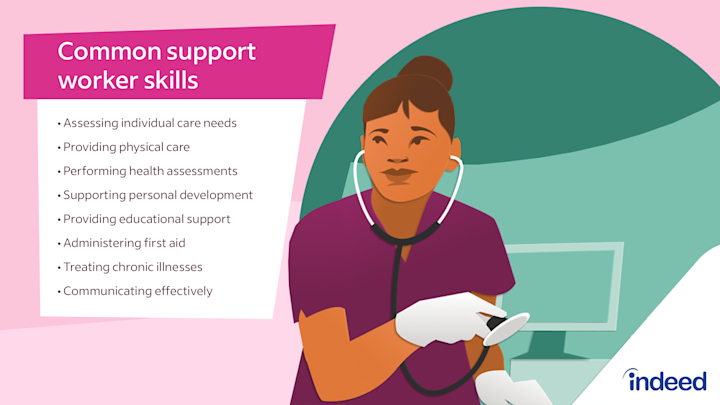
To successfully perform their duties, disability support workers must possess a combination of technical knowledge and personal qualities.
Important skills include:
- Empathy and compassion
- Patience and resilience
- Strong communication skills
- Problem-solving abilities
- Time management
- Cultural sensitivity
- Adaptability
These skills enable support workers to respond effectively to diverse needs and dynamic situations.
Why the Role of Disability Support Workers Matters
The impact of disability support workers extends far beyond daily assistance. Their work promotes inclusion, enhances quality of life, and supports equal participation in society.
By helping individuals achieve independence and personal goals, disability support workers contribute to stronger communities. They foster empowerment, reduce barriers, and advocate for a more inclusive world.
As demand for disability services continues to grow, the importance of qualified and compassionate support workers becomes increasingly clear.
Conclusion: The Foundation of Quality Disability Care
The core duties of disability support workers encompass personal care, independence building, advocacy, health monitoring, safety management, and community participation. These responsibilities require professionalism, empathy, and a strong commitment to person-centered care.
Disability support workers are more than caregivers—they are enablers of opportunity, champions of dignity, and essential contributors to inclusive communities. Their dedication ensures that individuals with disabilities can live meaningful, self-directed lives.
If you are considering a career in disability support services or seeking reliable care for a loved one, understanding these core responsibilities is the first step toward informed decision-making.