
Emotional Resilience and Long-Term Life Development
Introduction: The Power of Emotional Resilience
Life development is not just about acquiring skills or achieving milestones—it is also about how individuals navigate challenges, adapt to change, and maintain well-being over time. Emotional resilience is the ability to cope with stress, recover from setbacks, and maintain a sense of purpose, and it plays a central role in long-term life development.
Developing emotional resilience enables individuals to thrive despite adversity, make better decisions, and pursue personal and professional growth. This article explores the importance of emotional resilience, strategies to cultivate it, and its impact on long-term life development.
Understanding Emotional Resilience
What Emotional Resilience Means
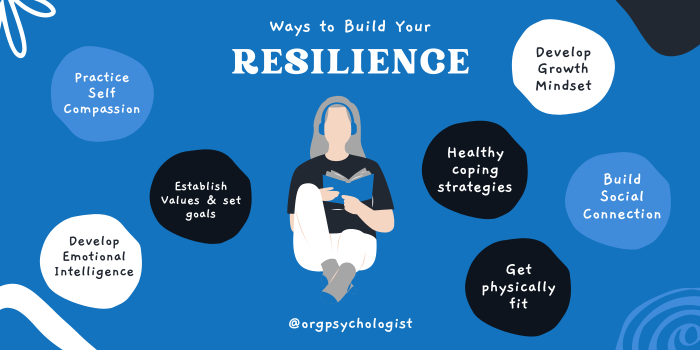
Emotional resilience is the capacity to manage emotions effectively, respond adaptively to stress, and sustain motivation during challenges. It is not about avoiding difficulties but about facing them with confidence and flexibility. Key characteristics include:
- Self-awareness and emotional intelligence
- Positive coping strategies
- Optimism and adaptability
- Strong social support networks
Resilience allows individuals to transform setbacks into learning opportunities, which is crucial for sustained personal growth.
Emotional Resilience vs. Mental Health
While closely related, emotional resilience and mental health are not the same. Mental health refers to the overall psychological well-being of an individual, whereas emotional resilience is the ability to handle stress and adversity. Cultivating resilience supports mental health and vice versa.
The Role of Emotional Resilience in Life Development
Enhancing Personal Growth
Emotional resilience directly impacts long-term life development by enabling individuals to:
- Set and pursue meaningful goals
- Persist in the face of obstacles
- Learn from failures without losing motivation
People with strong emotional resilience are better equipped to navigate career challenges, relationship issues, and personal transitions.
Supporting Independence and Autonomy
Resilient individuals are more likely to make confident decisions, maintain independence, and advocate for themselves. This is especially important for people facing systemic or societal barriers, as resilience empowers them to take control of their life development journey.
Improving Social Relationships
Emotional resilience enhances social functioning. Resilient individuals are better at managing conflicts, showing empathy, and building supportive relationships—all of which contribute to long-term personal growth and well-being.
Strategies to Build Emotional Resilience
Self-Awareness and Reflection
Developing self-awareness helps individuals recognize emotional triggers, strengths, and areas for growth. Techniques include:
- Journaling thoughts and feelings
- Mindfulness meditation
- Reflective exercises on challenges and successes
Self-awareness provides a foundation for adaptive coping and informed decision-making.
Positive Coping Mechanisms
Coping strategies help manage stress without harming well-being. Effective approaches include:
- Problem-solving and goal-setting
- Seeking social support from friends, family, or mentors
- Practicing relaxation techniques like deep breathing or yoga
Consistently using healthy coping strategies strengthens resilience over time.
Cultivating Optimism and Growth Mindset
A positive outlook helps individuals see challenges as opportunities for learning. Strategies to build optimism include:
- Reframing negative experiences
- Celebrating small achievements
- Setting realistic, achievable goals
Adopting a growth mindset—the belief that abilities and skills can improve through effort—supports both resilience and long-term development.
Building Strong Support Networks
Social connections are vital for emotional resilience. Support networks provide:
- Emotional encouragement
- Practical assistance during challenges
- Diverse perspectives and problem-solving input
Participating in peer groups, community organizations, or mentorship programs enhances both resilience and personal development.
Emotional Resilience Across Life Stages
Childhood and Adolescence
Developing resilience early in life sets the foundation for long-term growth. Children and teens benefit from:
- Supportive family and school environments
- Opportunities to solve problems and face challenges
- Learning to express emotions and seek help
Early emotional skills contribute to confidence, adaptability, and motivation throughout life.
Adulthood
In adulthood, resilience helps navigate career transitions, relationships, and life stressors. Key strategies include:
- Continuing personal development through education or skill-building
- Maintaining social connections
- Practicing self-care and stress management
Adults with resilience are more likely to pursue long-term goals and maintain overall well-being.
Older Adulthood
In later life, emotional resilience supports adaptation to physical changes, retirement, loss, or health challenges. Strategies include:
- Staying socially engaged
- Practicing gratitude and reflection
- Continuing meaningful activities and hobbies
Resilient older adults maintain independence, purpose, and life satisfaction.
Emotional Resilience and Disability
Overcoming Systemic and Personal Challenges
For people with disabilities, emotional resilience is particularly crucial. Resilient individuals can navigate:
- Societal barriers and discrimination
- Daily living challenges and accessibility limitations
- Mental health struggles related to stigma or isolation
Emotional resilience enables people with disabilities to pursue education, employment, and social engagement despite obstacles.
Empowerment and Self-Advocacy
Resilience supports self-advocacy by giving individuals the confidence and emotional strength to communicate needs, access resources, and assert rights. This fosters long-term independence and personal growth.
Integrating Emotional Resilience Into Life Development
Goal Setting and Planning
Building resilience should be part of a broader life development plan. Strategies include:
- Identifying personal goals and breaking them into actionable steps
- Reflecting on challenges as learning experiences
- Regularly reassessing and adjusting life plans
Continuous Learning and Adaptation
Life development is a lifelong journey. Emotional resilience enables individuals to:
- Learn from failures and setbacks
- Adapt to new environments or challenges
- Maintain motivation for ongoing personal and professional growth
Resilient individuals approach life with flexibility, curiosity, and confidence.
Technology and Resources to Support Resilience
Digital tools, apps, and online communities can enhance emotional resilience by providing:
- Mental health resources and therapy platforms
- Peer support and mentorship networks
- Tools for mindfulness, meditation, and stress management
Integrating technology into resilience-building strategies supports accessibility and long-term personal development.
Conclusion: Emotional Resilience as a Lifelong Asset
Emotional resilience is a cornerstone of long-term life development. It allows individuals to face challenges, adapt to change, maintain well-being, and pursue meaningful goals. Across all life stages, resilience enhances independence, personal growth, and social relationships.
By cultivating emotional awareness, coping strategies, optimism, and support networks, people can strengthen their resilience and unlock their full potential. Investing in emotional resilience is not just about surviving challenges—it is about thriving and building a fulfilling life over the long term.