
From Survival to Self-Actualization: Life Development Journeys in Disability
Introduction: Beyond Survival in Disability Narratives
For many people with disabilities, life begins in a state of survival. Navigating inaccessible environments, limited resources, social stigma, and systemic barriers often means that basic needs—safety, healthcare, education, and support—take priority. While survival is essential, it should not be the endpoint.
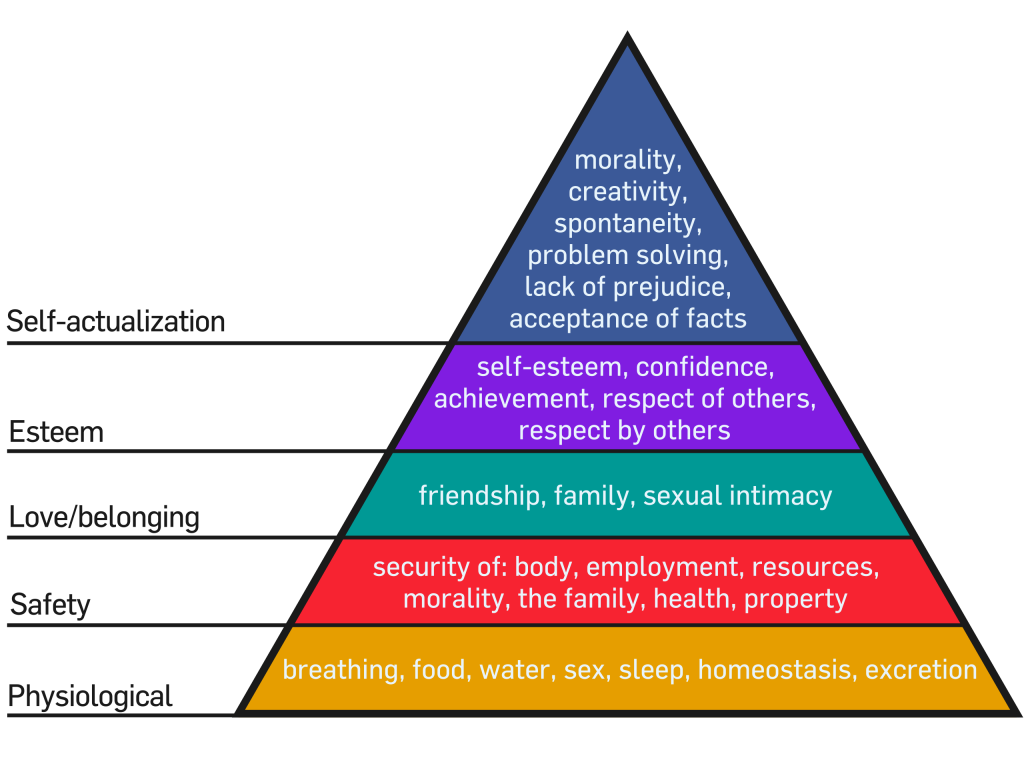
Life development journeys in disability extend far beyond survival. They move toward self-actualization: the ability to pursue purpose, fulfillment, identity, and personal goals. This article explores how people with disabilities transition from surviving within restrictive systems to thriving as self-directed individuals, and what conditions are necessary to support that journey.
Understanding Survival in the Context of Disability
What “Survival Mode” Really Means
Survival for people with disabilities often involves constant adaptation. This can include:
- Fighting for access to education or healthcare
- Managing daily living in inaccessible spaces
- Facing discrimination in employment and social settings
- Navigating systems not designed with disability in mind
In this context, survival mode is not a personal failure—it is a response to structural inequality. When energy is spent overcoming barriers, opportunities for growth, creativity, and long-term planning are limited.
Recognizing survival as a systemic issue is the first step toward redefining life development in disability.
The Shift From Medical Fixes to Human Development
Moving Beyond the “Fix-It” Mentality
Historically, disability has been framed through a medical lens, where success is measured by how much a person can be treated, corrected, or normalized. While medical care is important, it does not define a person’s full life potential.
A human development approach focuses on:
- Autonomy and decision-making
- Emotional and psychological well-being
- Social participation and belonging
- Meaningful contribution to society
This shift allows life development journeys in disability to be seen as valid, complex, and deeply human—not conditional on cure or conformity.
Foundations of Life Development: Safety, Support, and Stability
Meeting Basic Needs First
Self-actualization cannot occur without a foundation of stability. For people with disabilities, this includes:
- Accessible housing and transportation
- Reliable healthcare and assistive services
- Financial security or income support
- Safe and inclusive communities
When these needs are unmet, individuals remain in survival mode. Life development begins when systems provide consistent, dignified support, allowing people to think beyond day-to-day endurance.
Identity, Acceptance, and Psychological Growth
From Internalized Stigma to Self-Acceptance
A critical stage in disability life development is identity formation. Many people with disabilities grow up absorbing negative messages about their worth, capability, or future.
Self-actualization requires:
- Unlearning internalized ableism
- Embracing disability as part of identity, not a flaw
- Building self-esteem and self-trust
Mental health support, peer communities, and positive representation play a crucial role in this stage. Growth is not only external—it is deeply internal.
Education and Skill Development as Pathways Forward
Learning Beyond Compliance
Education is often framed as preparation for productivity, but for people with disabilities, it is also a pathway to empowerment. Inclusive and accessible education systems allow individuals to explore interests, develop skills, and imagine futures beyond survival.
Life development through education includes:
- Adaptive and inclusive learning environments
- Vocational and skills-based training
- Lifelong learning opportunities
When education supports curiosity rather than compliance, it becomes a tool for self-discovery and self-actualization.
Employment, Purpose, and Meaningful Contribution
Redefining Success in Work
Employment is often presented as the ultimate marker of adulthood and independence. However, traditional workplaces frequently exclude people with disabilities through rigid expectations and inaccessible design.
A self-actualized approach to life development values:
- Flexible and remote work options
- Reasonable accommodations
- Entrepreneurship and creative pursuits
- Volunteering and community engagement
Contribution does not look the same for everyone. Meaningful participation, not productivity alone, is what fuels growth and purpose.
Independence, Interdependence, and Choice
Rethinking What Independence Means
Independence in disability life development is often misunderstood as total self-sufficiency. In reality, independence is about choice, control, and agency, not isolation.
Many people with disabilities thrive through interdependence—mutual support between individuals, families, caregivers, and communities. Self-actualization emerges when people can:
- Make decisions about their own lives
- Access support without losing autonomy
- Define success on their own terms
True growth respects interdependence as a strength, not a weakness.
The Role of Community and Belonging
Growth Happens in Connection
Self-actualization is not a solitary achievement. Community plays a vital role in life development journeys in disability. Inclusive communities provide:
- Social connection and peer support
- Opportunities for leadership and advocacy
- Validation of lived experiences
Belonging allows individuals to move beyond survival and toward fulfillment. When people are seen, heard, and valued, growth becomes possible.
Technology and Accessibility as Enablers of Self-Actualization
Assistive technology, digital platforms, and inclusive design have transformed life development for many people with disabilities. Tools such as communication devices, mobility aids, and accessible software expand independence and opportunity.
However, access remains unequal. Inclusive innovation ensures that technological advancement supports self-actualization rather than reinforcing exclusion.
From Surviving Systems to Shaping Futures
Advocacy and Self-Determination
Many people with disabilities move from surviving within systems to actively shaping them. Advocacy, leadership, and policy engagement are powerful expressions of self-actualization.
Life development at this stage includes:
- Self-advocacy and rights awareness
- Participation in decision-making spaces
- Mentoring and supporting others
Growth becomes collective, extending beyond the individual to future generations.
Conclusion: Self-Actualization Is a Right, Not a Privilege
The journey from survival to self-actualization in disability is not linear, nor is it easy. It requires accessible systems, inclusive attitudes, and respect for human diversity. Most importantly, it requires recognizing that people with disabilities deserve more than survival—they deserve full, meaningful lives.
Life development journeys in disability are stories of resilience, creativity, and growth. When society removes barriers and centers dignity, self-actualization becomes not an exception, but an expectation.