
How Life Skills Training Can Improve Quality of Life
Introduction: Why Life Skills Matter for Quality of Life
Life skills training plays a vital role in helping people build independence, confidence, and a stronger sense of wellbeing. For people with disability, life skills development is often supported through the National Disability Insurance Scheme (NDIS), which funds programs designed to improve daily functioning and community participation.
When people develop essential life skills, they are better equipped to manage everyday tasks, make decisions, and engage meaningfully with their environment. This directly contributes to an improved quality of life, not just in practical terms, but also emotionally and socially.
In this article, we explore how life skills training improves quality of life, what areas it covers, and why it is such an important part of disability support services in Australia.
What Is Life Skills Training?
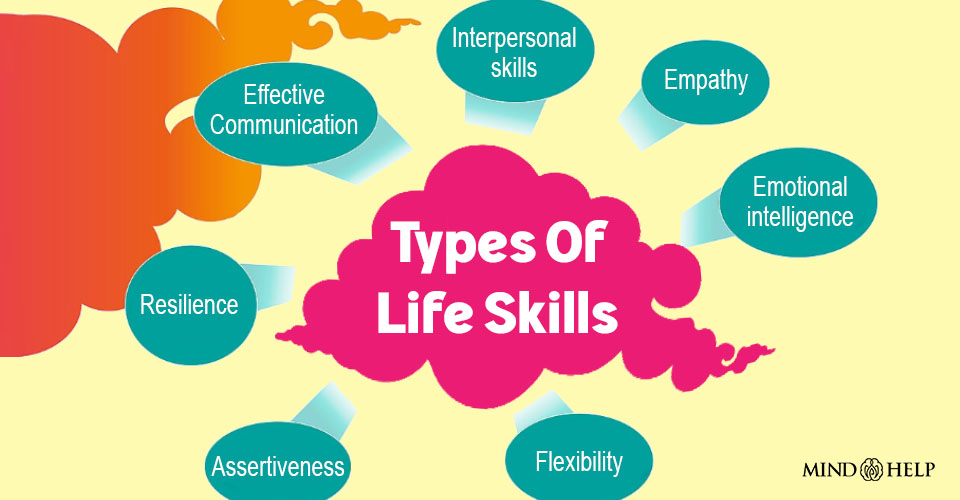
Life skills training refers to structured support that helps individuals learn or improve the skills needed for everyday living. These skills may include basic self-care, household management, communication, financial literacy, and social interaction.
Under the NDIS, life skills training is commonly delivered through Capacity Building – Daily Living supports. These programs are tailored to each participant’s goals and focus on developing independence over time.
Life skills training can be delivered through:
- One-on-one support with trained support workers
- Occupational therapy sessions
- Group-based learning programs
- Community participation activities
- Practical, real-world skill development
The aim is to empower individuals to take control of their daily lives with less reliance on others.
The Connection Between Life Skills and Quality of Life
Quality of life refers to how satisfied and fulfilled a person feels in their daily life. It includes physical wellbeing, emotional health, social relationships, independence, and personal achievement.
Life skills training improves quality of life by strengthening all these areas. When people can manage daily tasks more independently, communicate effectively, and participate in their community, they experience greater confidence and wellbeing.
In simple terms:
Better life skills = greater independence = improved quality of life
Key Areas Where Life Skills Training Makes a Difference
Life skills training supports many different aspects of daily living. Each area contributes to overall wellbeing and independence.
1. Daily Living and Personal Care Skills
One of the most important areas of life skills training is personal care and daily living. This includes:
- Personal hygiene routines
- Dressing appropriately for different situations
- Cooking healthy meals
- Cleaning and maintaining a home
These skills help individuals feel more in control of their environment and daily routine, which improves self-esteem and comfort in everyday life.
2. Communication and Social Skills
Strong communication skills are essential for building relationships and participating in society. Life skills training can help individuals:
- Start and maintain conversations
- Understand social cues
- Express needs and preferences clearly
- Build friendships and social networks
Improved communication leads to reduced isolation and a stronger sense of belonging, both of which significantly improve quality of life.
3. Financial Literacy and Money Management
Managing money is an important life skill that supports independence. Training may include:
- Understanding budgeting basics
- Using EFTPOS and digital payments
- Managing bills and expenses
- Learning to save for goals
When individuals can manage their finances, they gain greater control over their choices and future planning.
4. Travel and Community Access Skills
Being able to move around independently is a major factor in quality of life. Life skills training may include:
- Using public transport safely
- Planning travel routes
- Navigating local communities
- Attending appointments independently
This increases access to work, education, and social opportunities.
5. Emotional Regulation and Decision-Making
Life skills training also supports emotional wellbeing by teaching:
- How to manage stress and anxiety
- Problem-solving strategies
- Making safe and informed decisions
- Coping with change and challenges
These skills help individuals feel more stable and confident in their daily lives.
How Life Skills Training Improves Independence
Independence is one of the strongest indicators of improved quality of life. Life skills training helps individuals gradually take on more responsibility for their own lives.
This may include:
- Completing daily tasks without assistance
- Making personal choices confidently
- Managing routines and schedules
- Participating more in community life
As independence grows, reliance on carers or support workers often decreases, which can lead to greater freedom and self-determination.
The Role of the NDIS in Life Skills Development
The NDIS plays a significant role in funding life skills training across Australia. These supports are typically included under Capacity Building – Daily Living budgets.
The goal of NDIS-funded life skills training is to:
- Build long-term independence
- Support personal goals
- Improve community participation
- Enhance overall wellbeing
Participants work with providers to develop tailored programs that align with their NDIS goals and individual needs.
Personalised Support Leads to Better Outcomes
One of the key strengths of life skills training is that it is highly personalised. Every individual has different abilities, goals, and challenges, so support must be tailored accordingly.
A personalised life skills program may include:
- Goal setting sessions
- Step-by-step learning plans
- Practical hands-on training
- Regular progress reviews
This ensures that individuals are not only learning skills but applying them in meaningful, real-life situations.
Real-Life Examples of Improved Quality of Life
Example 1: Greater Independence at Home
A participant learns to cook simple meals and manage cleaning routines. Over time, they feel more comfortable living independently and take pride in managing their own space.
Example 2: Improved Social Confidence
Another participant develops communication skills and begins attending community groups. They build friendships and reduce feelings of loneliness.
Example 3: Increased Community Participation
A participant learns to use public transport and begins attending appointments and social events independently, improving their confidence and freedom.
These real-world outcomes show how life skills training directly enhances quality of life.
Benefits of Life Skills Training for Quality of Life
The impact of life skills training goes beyond practical ability. It also improves emotional and social wellbeing.
Key benefits include:
- Increased independence and autonomy
- Improved confidence and self-esteem
- Better social connections and relationships
- Reduced reliance on carers
- Greater participation in community life
- Enhanced mental health and wellbeing
These improvements contribute to a more fulfilling and meaningful life experience.
Choosing the Right Life Skills Support Provider
Selecting the right provider is essential for achieving the best outcomes. A good provider should offer:
- Individualised support plans
- Experienced and qualified staff
- Flexible learning environments
- Focus on real-world skill development
- Strong understanding of NDIS goals
The right provider will focus on empowering participants rather than doing tasks for them.
Conclusion: Building a Better Life Through Skills Development
Life skills training is one of the most effective ways to improve quality of life for people with disability. By developing practical, social, emotional, and financial skills, individuals can achieve greater independence and confidence in their daily lives.
Through NDIS-funded supports and personalised training programs, participants can work toward meaningful goals that enhance their wellbeing and community participation.
Ultimately, life skills training is not just about learning tasks—it is about building a better, more independent, and more fulfilling life.