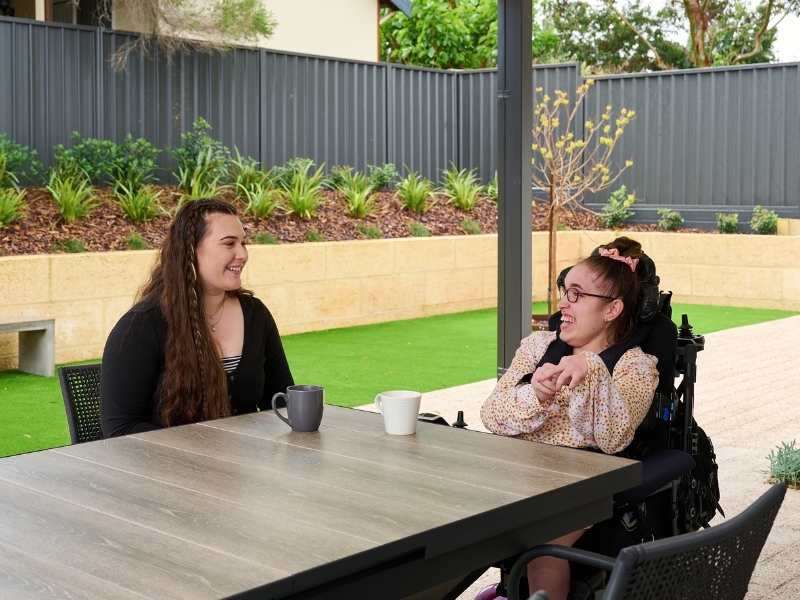


10 Ways Disability Support Services Promote Independent Living
Introduction: Empowering People Through Disability Support Services
Independent living is about having the freedom, confidence, and support needed to make personal choices and participate fully in everyday life. For many people living with a disability, achieving independence does not mean doing everything alone. Instead, it means having access to the right resources, assistance, and services that enable greater control over daily activities and personal goals.
Disability support services play an important role in helping individuals build independence while receiving tailored assistance that respects their preferences, abilities, and lifestyle. From developing daily living skills to accessing community opportunities, quality disability support can improve confidence, wellbeing, and overall quality of life.
This article explores 10 ways disability support services promote independent living and how personalised support can help people achieve greater autonomy.
1. Supporting Daily Living Skills
One of the key ways disability support services encourage independence is by helping individuals develop essential daily living skills. These skills may include preparing meals, managing personal hygiene, organising household tasks, and maintaining a safe living environment.
Rather than taking over everyday activities, skilled disability support workers focus on providing the right level of assistance. This approach allows individuals to learn, practise, and improve their abilities at their own pace.
Developing these practical skills can increase confidence and help people feel more capable of managing their everyday routines.
2. Encouraging Personal Choice and Control
Independent living begins with having control over personal decisions. Disability support services are designed around a person-centred approach, meaning support is based on individual goals, preferences, and needs.
Whether it involves choosing daily activities, planning routines, selecting community events, or making lifestyle decisions, individuals are encouraged to have a voice in their care.
This focus on choice and control helps people maintain dignity and independence while receiving the support they need.
3. Building Confidence and Self-Esteem
Confidence is an important part of living independently. Many people with disabilities may face barriers that affect their confidence in completing tasks or participating in social activities.
Disability support workers provide encouragement, guidance, and practical assistance to help individuals overcome challenges. By celebrating progress and focusing on abilities rather than limitations, support services help build self-esteem.
Increased confidence can motivate individuals to try new activities, develop skills, and take greater control of their lives.
4. Improving Access to the Community
Being part of the community is an important aspect of independent living. Disability support services can help individuals access social activities, educational opportunities, employment, recreational programs, and community events.
Support workers may assist with transportation, planning, communication, or navigating unfamiliar environments.
Improved community access allows people with disabilities to develop relationships, explore interests, and participate in meaningful experiences outside the home.
5. Developing Life Management Skills
Managing everyday responsibilities is an important step toward independence. Disability support services can assist individuals with developing skills such as budgeting, shopping, scheduling appointments, and managing personal commitments.
Learning these skills helps individuals become more confident in making decisions and handling everyday situations.
With the right guidance and encouragement, people can strengthen their ability to manage their own lives while receiving support when required.
6. Providing Personalised Support Plans
Every person has different goals, abilities, and support requirements. Effective disability support services create personalised plans that focus on the individual rather than using a one-size-fits-all approach.
A personalised support plan may include goals related to independence, health, social participation, skill development, or employment.
By aligning support with personal goals, individuals receive meaningful assistance that helps them move toward the lifestyle they want.
7. Promoting Safe and Accessible Living Environments
A safe home environment is essential for independent living. Disability support services can help individuals identify challenges within their living space and find solutions that improve comfort, safety, and accessibility.
Support may include assistance with organising the home, developing safety routines, or accessing appropriate resources and equipment.
Creating a supportive living environment allows individuals to complete daily tasks more easily and confidently.
8. Supporting Health and Wellbeing
Maintaining physical and emotional wellbeing is closely connected to independence. Disability support services can assist individuals with establishing healthy routines, attending appointments, following personal care plans, and accessing community health resources.
Support workers can also provide companionship and encouragement, helping reduce isolation and promoting positive mental wellbeing.
When individuals have support to maintain their health, they are better positioned to achieve their personal independence goals.
9. Encouraging Skill Development and Personal Growth
Independent living is an ongoing journey that involves learning and growth. Disability support services help individuals develop new skills and explore opportunities for personal improvement.
This may include learning communication skills, developing workplace abilities, improving social skills, or trying new hobbies and activities.
Continuous skill development helps individuals expand their independence and achieve goals they may not have thought possible.
10. Creating Long-Term Independence Through Support
The ultimate goal of disability support services is to empower individuals to live fulfilling and meaningful lives. Quality support focuses on building capability rather than creating dependence.
By providing encouragement, practical assistance, and opportunities for growth, disability support workers help individuals develop the confidence and skills needed for long-term independence.
With the right support network, people living with disabilities can make choices, pursue goals, and participate actively in their communities.
Choosing the Right Disability Support Services
Finding the right disability support provider is an important step toward achieving independent living. Individuals and families should look for providers who offer personalised care, experienced support workers, flexible services, and a commitment to respecting individual choices.
The best disability support services work alongside individuals to understand their goals and provide assistance that promotes confidence, independence, and quality of life.
Conclusion: Disability Support Services Help People Live Independently
Independent living is about having opportunities, choices, and the right support to achieve personal goals. Disability support services provide valuable assistance that helps individuals build skills, increase confidence, access their communities, and maintain control over their lives.
Through personalised support and a focus on empowerment, disability support services create pathways for greater independence and improved wellbeing.
Whether someone needs assistance with daily activities, community participation, life skills, or personal goals, the right support can make a meaningful difference in creating a more independent future.